Most boaters don’t realize their standard VHF radio has a distress range of just 20 miles. An EPIRB works globally, transmitting your exact GPS coordinates to rescue satellites within minutes. But not all beacons are built the same. You need one that won’t fail when you’re bobbing in a survival suit, and the right choice depends on your specific boat and cruising style.
| ACR GlobalFix V5 EPIRB Survival Kit |  | Best Survival Bundle | Satellite Frequency: 406 MHz & 121.5 MHz | Return Link Service (RLS): Yes | Battery Life: 10-year battery, 48 hours operation | VIEW LATEST PRICE | Read Our Analysis |
| ACR ResQLink 410 RLS PLB – Satellite SOS GPS Personal Locator Beacon – 2931 |  | Best Portable PLB | Satellite Frequency: 406 MHz & 121.5 MHz | Return Link Service (RLS): Yes | Battery Life: 5-year battery, 24+ hours operation | VIEW LATEST PRICE | Read Our Analysis |
| ACR GlobalFix V5 AIS EPIRB CAT2 – Satellite SOS GPS & RLS Marine Beacon | 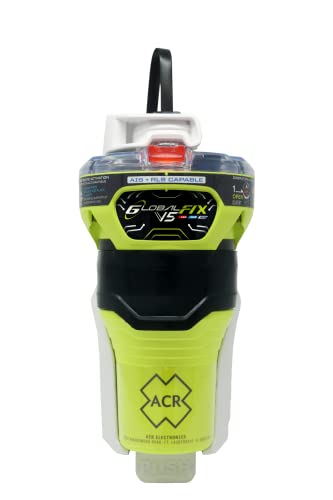 | Best Marine Beacon | Satellite Frequency: 406 MHz & 121.5 MHz | Return Link Service (RLS): Yes | Battery Life: 10-year battery, 48 hours operation | VIEW LATEST PRICE | Read Our Analysis |
| ACR ResQLink View PLB425 – Buoyant GPS Personal Locator Beacon – 2922 | 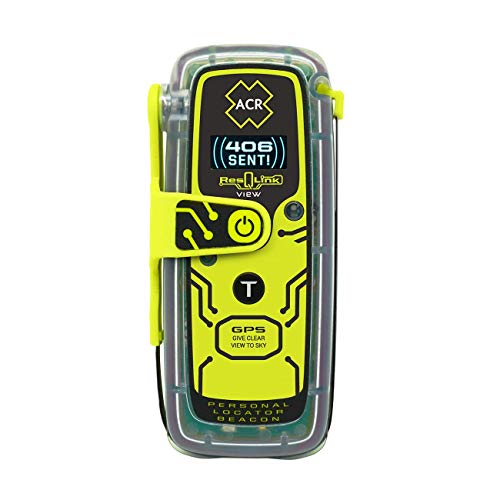 | Best Touchscreen PLB | Satellite Frequency: 406 MHz & 121.5 MHz | Return Link Service (RLS): No | Battery Life: Not specified | VIEW LATEST PRICE | Read Our Analysis |
| ACR GlobalFix V5 EPIRB Survival Kit |  | Most Complete Kit | Satellite Frequency: 406 MHz & 121.5 MHz | Return Link Service (RLS): Yes (in PLB component) | Battery Life: 10-year battery (EPIRB component) | VIEW LATEST PRICE | Read Our Analysis |
| ACR GlobalFix V6 EPIRB with RapidDitch Bag |  | Best New Release | Satellite Frequency: 406 MHz & 121.5 MHz | Return Link Service (RLS): Yes | Battery Life: Not specified | VIEW LATEST PRICE | Read Our Analysis |
| ACR ResQLink 400 PLB – Satellite SOS GPS Personal Locator Beacon – 2921 |  | Best Budget PLB | Satellite Frequency: 406 MHz & 121.5 MHz | Return Link Service (RLS): No | Battery Life: Not specified | VIEW LATEST PRICE | Read Our Analysis |
| ACR GlobalFix V6 EPIRB CAT2 – Satellite SOS GPS & RLS Marine Safety Beacon |  | Best Overall EPIRB | Satellite Frequency: 406 MHz & 121.5 MHz | Return Link Service (RLS): Yes | Battery Life: 10-year battery | VIEW LATEST PRICE | Read Our Analysis |
More Details on Our Top Picks
ACR GlobalFix V5 EPIRB Survival Kit
If you’re heading offshore and need a complete emergency signaling kit, the ACR GlobalFix V5 EPIRB Survival Kit is your go to survival bundle. It covers every base: local rescuers see your AIS signal, while worldwide satellites pick up the 406 MHz distress call. A homing beacon at 121.5 MHz guides them right to you. You get a waterproof, buoyant EPIRB with a 10 year battery and 48 hours of operation. It also packs infrared strobes for night visibility and RLS to confirm your SOS. Everything lives in the RapidDitch bag, so you grab and go.
- Satellite Frequency:406 MHz & 121.5 MHz
- Return Link Service (RLS):Yes
- Battery Life:10-year battery, 48 hours operation
- Waterproof/Buoyant:Waterproof, buoyant
- Strobe/Infrared Light:Infrared strobe lights
- Warranty:5-year limited warranty
- Additional Feature:RapidDitch Express Bag included
- Additional Feature:10-year battery life
- Additional Feature:Serves as complete survival kit
ACR ResQLink 410 RLS PLB – Satellite SOS GPS Personal Locator Beacon – 2931
You’re a sailor, not a rescue expert, so let’s cut through the noise. The ACR ResQLink 410 RLS PLB is your pocket-sized lifeline, no subscription needed. It fires your distress signal via GPS, Galileo, and MEOSAR for global coverage, then confirms rescue teams got it with Return Link Service. That’s peace of mind you can’t afford to skip.
- Built-in buoyancy keeps it afloat.
- Strobe and infrared lights guide rescuers day or night.
- 5-year battery gives over 24 hours of operation.
- Compact at 4.52 x 2.03 x 1.49 inches, clips to your PFD or belt.
It’s durable, simple, and backed by a 5-year warranty. Don’t leave port without it.
- Satellite Frequency:406 MHz & 121.5 MHz
- Return Link Service (RLS):Yes
- Battery Life:5-year battery, 24+ hours operation
- Waterproof/Buoyant:Waterproof, buoyant
- Strobe/Infrared Light:Strobe and infrared lights
- Warranty:5-year manufacturer warranty
- Additional Feature:Includes multifunction clip
- Additional Feature:PFD oral inflation tube clip
- Additional Feature:Compact and lightweight design
ACR GlobalFix V5 AIS EPIRB CAT2 – Satellite SOS GPS & RLS Marine Beacon
Looking for a marine beacon that goes beyond basic satellite SOS? The ACR GlobalFix V5 AIS EPIRB CAT2 adds local AIS alerts, broadcasting your distress to vessels within about five miles, not just satellites. That’s essential for nearby help.
You get Return Link Service, so you’ll know rescuers received your signal. Grab your smartphone with NFC to check battery status, test logs, and detailed GNSS accuracy. It’s waterproof, buoyant, and runs up to 48 hours on a 10-year battery. Weighing just 1.8 pounds, it’s a solid, reassuring companion.
- Satellite Frequency:406 MHz & 121.5 MHz
- Return Link Service (RLS):Yes
- Battery Life:10-year battery, 48 hours operation
- Waterproof/Buoyant:Waterproof, buoyant
- Strobe/Infrared Light:Infrared strobe lights
- Warranty:5-year warranty
- Additional Feature:Panel mount for installation
- Additional Feature:NFC smartphone data access
- Additional Feature:Manual release bracket included
ACR ResQLink View PLB425 – Buoyant GPS Personal Locator Beacon – 2922
For outdoor adventurers who want a no-nonsense, user friendly beacon with a bright screen, the ACR ResQLink View PLB425 stands out as a touchscreen PLB that’s hard to beat. You’ll get a 1 inch OLED display for clear status, plus a bright LED strobe and infrared signaling to guide rescuers. It’s buoyant, waterproof, and weighs just 5.28 ounces, so you can clip it to your pack or life vest without a second thought. The 406 MHz signal hits three satellite constellations for global coverage, transmitting directly to Search and Rescue. Expect a 28 hour battery life and a five year warranty.
- Satellite Frequency:406 MHz & 121.5 MHz
- Return Link Service (RLS):No
- Battery Life:Not specified
- Waterproof/Buoyant:Waterproof, buoyant
- Strobe/Infrared Light:LED strobe and infrared
- Warranty:5-year limited warranty
- Additional Feature:1-inch OLED touchscreen
- Additional Feature:Sends non-emergency test messages
- Additional Feature:Optional testing subscription available
ACR GlobalFix V5 EPIRB Survival Kit
The ACR GlobalFix V5 EPIRB Survival Kit is the most complete kit for serious offshore cruisers who want everything in one box. You get seven pieces of life-saving gear, including the GlobalFix V5 AIS EPIRB for vessel-level distress alerts and a ResQLink View RLS PLB for personal tracking. That’s two beacons in one kit.
Also included:
- USCG-approved ResQFlare electronic flare
- Ditch bag for quick evacuation
- Hemilight life vest light, Firefly Pro Waterbug strobe, signal mirror, and whistle
It’s all FCC approved, backed by a 5-year warranty, and weighs just 6 pounds. No assembly required.
- Satellite Frequency:406 MHz & 121.5 MHz
- Return Link Service (RLS):Yes (in PLB component)
- Battery Life:10-year battery (EPIRB component)
- Waterproof/Buoyant:Waterproof, buoyant
- Strobe/Infrared Light:Yes (strobe lights included)
- Warranty:5-year coverage
- Additional Feature:ResQFlare E-Flare included
- Additional Feature:USCG whistle and signal mirror
- Additional Feature:Seven total safety components
ACR GlobalFix V6 EPIRB with RapidDitch Bag
ACR GlobalFix V6 EPIRB with RapidDitch Bag is a satellite beacon you can rely on for instant rescue. It’s a Category 2 unit with GPS/GNSS, so no subscription is needed. And you get return link service, meaning you’ll know your SOS was received. That reduces anxiety during a crisis. The included RapidDitch Express Bag is buoyant and compact, keeping your beacon afloat if you must abandon ship quickly. You mount it as a panel, and the capacitive touchscreen is waterproof. Use the free mobile app to transfer data seamlessly. At 6 pounds, it’s manageable. You’ll appreciate the 5-year warranty and Amazon’s 30-day return policy.
- Satellite Frequency:406 MHz & 121.5 MHz
- Return Link Service (RLS):Yes
- Battery Life:Not specified
- Waterproof/Buoyant:Waterproof
- Strobe/Infrared Light:Not specified
- Warranty:5-year warranty
- Additional Feature:Capacitive touchscreen interface
- Additional Feature:Digital human-interface controls
- Additional Feature:2023 model year
ACR ResQLink 400 PLB – Satellite SOS GPS Personal Locator Beacon – 2921
Looking for a budget friendly PLB that won’t saddle you with subscription fees? The ACR ResQLink 400 is your answer. Weighing just 5.28 ounces, it’s light enough to clip to your belt or PFD. And it works globally through Cospas-Sarsat and MEOSAR satellite systems, without any ongoing costs. Just press the SOS button, and it sends a precise location via integrated GPS and Galileo GNSS.
- No subscription fees: you buy once, it’s ready when you need it.
- LED and infrared strobes boost visibility at night.
- Waterproof, so it’s perfect for marine use.
You get a 5 year warranty and a 30 day return window. It’s a reliable, no nonsense lifeline that won’t break the bank.
- Satellite Frequency:406 MHz & 121.5 MHz
- Return Link Service (RLS):No
- Battery Life:Not specified
- Waterproof/Buoyant:Waterproof
- Strobe/Infrared Light:LED and infrared strobes
- Warranty:5-year warranty
- Additional Feature:Wrist-mount compatible
- Additional Feature:5.28 ounces lightweight
- Additional Feature:Integrates Galileo GNSS
ACR GlobalFix V6 EPIRB CAT2 – Satellite SOS GPS & RLS Marine Safety Beacon
If you’re heading offshore beyond VHF range, this beacon earns its place as your ultimate lifeline. The ACR GlobalFix V6 CAT2 packs satellite SOS, GPS, and Return Link Service (RLS) that actually confirms when help is on the way. You’ll love the intuitive digital interface showing battery life, GNSS data, and accuracy. Its strobe and infrared strobe boost visibility during night rescues. Plus, NFC lets you access device data through your phone app. No subscription needed, and the battery lasts 10 years. At 1.8 pounds with a 10-year warranty, it’s built for serious offshore voyaging.
- Satellite Frequency:406 MHz & 121.5 MHz
- Return Link Service (RLS):Yes
- Battery Life:10-year battery
- Waterproof/Buoyant:Waterproof, buoyant
- Strobe/Infrared Light:Strobe and infrared strobe
- Warranty:10-year manufacturer warranty
- Additional Feature:Resistive touchscreen interface
- Additional Feature:Digital interface with maps
- Additional Feature:Mounting hardware included
Factors to Consider When Choosing an Epirb for Boat
When you’re choosing an EPIRB for your boat, you’ve got to think about how you’ll activate it in an emergency. You’ll also need to take into account battery life, global coverage, and how you’ll mount it so it stays secure but accessible. And don’t forget size and portability, because a compact unit is easier to grab and take with you in a life raft.
Activation and Signaling
Why is activation and signaling the make-or-break factor for any EPIRB? In a crisis, seconds count, but so does clarity. You need a device that screams for help loud and clear.
First, guarantee your EPIRB packs multiple signaling methods. The 406 MHz satellite signal alerts rescue authorities globally, while AIS pinpoints your exact location to nearby vessels. A 121.5 MHz homing signal guides rescuers in the final mile. Confirm it auto-activates upon immersion, plus you can manually trigger it for instant distress.
Look for Return Link Service (RLS) to get a reassuring confirmation that your call’s been received. Then, choose models with infrared or strobe lights they boost visibility in pitch black or stormy seas, cutting through fog or night. Finally, prioritize a manual release mechanism that’s foolproof; you don’t want fumbling during panic. Robust activation features prevent accidental deployment, so you stay in control when it matters most.
Battery Life and Durability
Once you’ve nailed down activation and signaling, you need an EPIRB that stays ready through the worst of it. Battery life is your lifeline, so look for a unit that guarantees at least 48 hours of continuous transmission, not just the standard 24. That extra buffer can make all the difference in a prolonged rescue.
Durability means surviving what the sea throws at you. You want a sealed, high-quality enclosure that laughs off salt spray and impact. A 10-year battery lifespan cuts down on replacement hassles, keeping you prepared for the long haul. Just remember to check for a simple battery replacement feature, so you can verify its readiness without cracking the case open. Don’t settle for less; your EPIRB’s endurance is your safety net.
Mounting and Attachment
Choosing the right EPIRB involves more than just buying one and tossing it in a locker. You need a secure mounting system that keeps it accessible and quickly deployable. Check if your chosen model fits standard brackets or panel mounts on your boat. Look for options like quick-release mechanisms or simple bracket mounts that minimize accidental detachment but allow easy activation when seconds count.
Your EPIRB must be buoyant and waterproof, ready to handle harsh marine environments. A quality mount holds it firmly in place during rough seas but lets you grab it fast. Consider panel mounts for permanent installation or clip brackets for temporary storage. The key is balance: secure enough to stay put, yet accessible enough to deploy instantly. Don’t risk a fumbled release during an emergency. Pick a mounting system that gives you confidence and speed.
Global Coverage and GPS
Since you’ll be relying on your EPIRB when everything else has gone sideways, global coverage isn’t just a feature—it’s the whole point. You need a device that hooks into the COSPAS-SARSAT or MEOSAR satellite networks, ensuring your distress signal reaches rescue authorities anywhere on the planet. But don’t stop there. Insist on built-in GPS or GNSS technology, because precise coordinates cut search time dramatically. And for peace of mind, look for Return Link Service (RLS); it confirms your alert’s been received and acknowledged.
For even better accuracy, choose an EPIRB that taps multiple satellite constellations, like GPS, Galileo, and GLONASS. This layered approach gives rescuers your exact latitude and longitude faster. Without that pinpoint location, you’re just a needle in the world’s biggest haystack. Get these features right, and you’ve got a lifeline that works everywhere.
Size and Portability
Global coverage and GPS accuracy mean nothing if you can’t grab your EPIRB in a split second. So size and portability matter a lot. You want a unit that’s compact enough to store in a ditch bag, cockpit locker, or even your life jacket pocket, yet still packs a punch with a long battery life and must meet operational specs. Smaller models are your friend for quick access without sacrificing function.
- Weight: A lighter EPIRB is easier to grab and mount, especially on a small boat or when you’re bouncing over rough seas. Aim for under one pound if you can.
- Dimensions: Check that it fits your storage spot snugly. No point in a device that’s too bulky to reach fast.
Choosing the right size means you’ll have it in hand when seconds count.