You know the dread: you glance at the fuel gauge, it reads half full, and the tank’s actually bone dry. It’s a common betrayal, but you can end it with the right sending unit. We’ve narrowed it down to three reliable fixes, so let’s get your gauge honest. Here’s what to look for.
| Marine Fuel Sending Unit,Boat Fuel Tank Sending Unit for Marine 4-28″ Depth |  | Most Versatile | Compatible Fuel Types: Gasoline, diesel, water | Gauge Ohm Range: 33-240 ohms | Material Construction: Brass top, 304 stainless steel screws, aluminum alloy base | VIEW LATEST PRICE | Read Our Analysis |
| HiSport Fuel Tank Sending Unit Replaces FG05F 19111383 25002010 |  | Best Fit | Compatible Fuel Types: Gasoline, diesel (implied by vehicle compatibility) | Gauge Ohm Range: Not specified | Material Construction: Metal | VIEW LATEST PRICE | Read Our Analysis |
| Marine Fuel Sending Unit,Boat Fuel Tank Sending Unit for Marine 6-12″ Depth |  | Budget-Friendly Pick | Compatible Fuel Types: Diesel, gasoline, water | Gauge Ohm Range: 33-240 ohms | Material Construction: Brass top, 304 stainless steel screws, aluminum alloy base | VIEW LATEST PRICE | Read Our Analysis |
More Details on Our Top Picks
Marine Fuel Sending Unit,Boat Fuel Tank Sending Unit for Marine 4-28″ Depth
This sending unit is the most versatile option for boat owners. You can adjust it for fuel tanks between 4 and 28 inches deep. Simply cut the float rod to match your tank’s depth, then loosen the center screw, rotate the float for precise positioning, and re-tighten. It works with gasoline, diesel, or water and pairs with any marine dash gauge from 33 to 240 ohms.
Built tough for saltwater, the brass top, 304 stainless steel screws, and aluminum base resist corrosion. Rinse it periodically to extend its life. Installation is straightforward: measure your tank, cut the rod, wire it to your gauge, and keep connections dry. Over 300 buyers rate it 4 out of 5 stars. No warranty is offered, but it’s a solid choice.
- Compatible Fuel Types:Gasoline, diesel, water
- Gauge Ohm Range:33-240 ohms
- Material Construction:Brass top, 304 stainless steel screws, aluminum alloy base
- Adjustable Float Rod:Yes, cuttable and rotatable
- Tank Depth Range:4-28 inches
- Application Type:Marine, RV, car, truck
- Additional Feature:Cut-to-fit float rod
- Additional Feature:Brass top fitting
- Additional Feature:304 stainless steel screws
HiSport Fuel Tank Sending Unit Replaces FG05F 19111383 25002010
If you’re restoring a square-body Chevy or GMC dual-tank pickup from the early 80s, this HiSport unit is your practical match. It’s designed strictly for the left side, driver side fuel tank. You’ll find it compatible with C10 through K30 models from 1980 to 1986, plus some later R and V series trucks up to 1989. The all metal construction feels sturdy. Installation is straightforward, but you should get a pro to do it. With a stellar 4.8 out of 5 stars from buyers, you’re getting a reliable fix for your gauge. And HiSport offers a 30 day return guarantee through Amazon, so you’re covered.
- Compatible Fuel Types:Gasoline, diesel (implied by vehicle compatibility)
- Gauge Ohm Range:Not specified
- Material Construction:Metal
- Adjustable Float Rod:Not specified
- Tank Depth Range:Not specified (vehicle-specific fitment)
- Application Type:Vehicle-specific (Chevrolet/GMC pickup trucks)
- Additional Feature:Left/driver side only
- Additional Feature:Replaces FG05F 19111383
- Additional Feature:30-day return guarantee
Marine Fuel Sending Unit,Boat Fuel Tank Sending Unit for Marine 6-12″ Depth
Worn out sending unit leaving your gauge guessing? You’ve found the fix with this marine fuel sending unit, built for tank depths from 6 to 12 inches. It fits boats, RVs, trucks, tractors, and diesel or water tanks. Works with 33 to 240 ohm gauges, so you’re covered.
Its corrosion resistant design uses a brass top, 304 stainless steel screws, and an aluminum alloy base. That means it handles saltwater exposure without rusting. You can cut the float rod to your exact tank depth, then loosen the center screw to rotate the float for accurate readings.
Before installing, measure your tank depth precisely. Cut the rod, adjust the float swing, and keep connections dry. Rinse it periodically, especially in saltwater. Simple maintenance keeps your gauge honest and reliable.
- Compatible Fuel Types:Diesel, gasoline, water
- Gauge Ohm Range:33-240 ohms
- Material Construction:Brass top, 304 stainless steel screws, aluminum alloy base
- Adjustable Float Rod:Yes, cuttable and rotatable
- Tank Depth Range:6-12 inches
- Application Type:Marine, RV, cars, trucks, tractors, diesel/water tanks
- Additional Feature:Removable float rod
- Additional Feature:Brand: CLLOMAGY
- Additional Feature:Model: BFSU-004
Factors to Consider When Choosing a Sending Unit for Fuel Tank
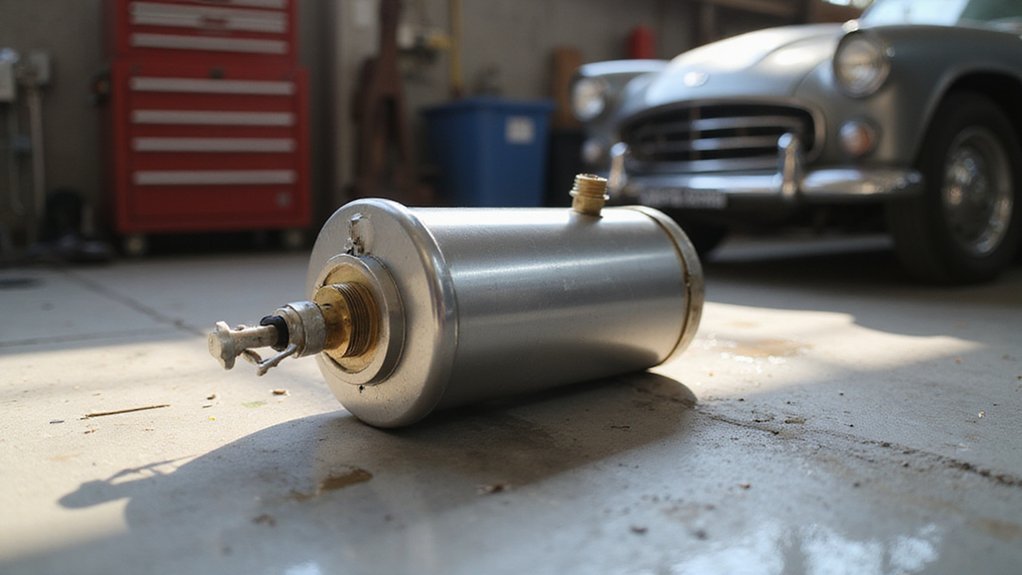
You’ll need to start with your tank depth measurement, as using a sending unit that’s too long or short will give you inaccurate readings. Material corrosion resistance matters too, especially if you’re dealing with ethanol blends or marine environments where rust is a constant enemy. And don’t forget gauge ohm compatibility, float rod adjustability, and installation ease, since these factors directly affect whether your fuel gauge works reliably and how much hassle you’ll face getting it installed.
Tank Depth Measurement
Before you even think about float lengths or resistance ranges, you’ve got to nail down one critical number: the exact interior depth of your tank. Grab a ruler or measuring tape and measure from the tank opening straight down to the bottom. Make sure you account for any dips, curves, or obstructions inside because even a half-inch mistake throws your gauge off completely.
Sending units typically range from 4 to 28 inches, so your measurement ensures you don’t buy one that’s too short or too long. When you adjust the float rod later, you’ll rely on this depth to prevent false readings.
And here’s a pro tip: re measure after any repair or modification. A dent or new baffle changes the interior height, and your sending unit needs to fit perfectly to keep your gauge honest.
Material Corrosion Resistance
Your fuel sending unit lives in a harsh environment, constantly exposed to fuel vapors, moisture, and (if you’re running a marine or off-road rig) salt spray and road grime. That’s why material corrosion resistance isn’t just a nice-to-have; it’s a must. You want components built with brass, stainless steel, or aluminum, as these materials laugh off rust and degradation in outdoor and marine settings.
Stainless steel, in particular, shines in saltwater conditions, giving your sending unit a much longer life. And don’t overlook coatings or finishes like anodized aluminum, which add an extra layer of defense against water and salt. But here’s the thing: even the best materials need a little love. Regular rinsing and maintenance prevent buildup and corrosion, especially in humid or salty environments. Choosing a corrosion-resistant unit means fewer replacements and more reliable performance, period.
Gauge Ohm Compatibility
One key factor you can’t ignore is gauge ohm compatibility. You need a sending unit that matches your specific gauge’s resistance range, or you’ll get wrong readings. Different vehicles and gauges use different ranges, like 0-90 ohms or 30-240 ohms. If you pick a unit with incompatible ohms, your full tank might show empty, and that’s a headache you don’t want.
Float Rod Adjustability
Since your tank’s depth and shape can vary widely, you need a sending unit with an adjustable float rod to get accurate readings every time. This feature lets you rotate and even cut the rod, customizing it for depths from 4 to 28 inches. Proper adjustability minimizes errors caused by tank variations or misalignment during installation, ensuring your gauge tells the truth.
And here’s the thing: without that adjustment, you’re stuck with inaccurate measurements. Your float might end up hitting the bottom or top prematurely, skewing your fuel level indication. You want a rod you can easily modify to match your tank’s specific profile. That’s how you achieve consistent, reliable readings trip after trip. An adjustable design isn’t just convenient; it’s essential for preventing headaches later. So look for that flexibility, and you’ll fix your gauge for good.
Installation Ease
While adjusting that float rod to match your tank’s depth is a big piece of the puzzle, getting the whole sending unit installed without pulling your hair out is just as important. First, pick a unit with a straightforward mounting mechanism, no specialized tools needed. You’ll also want clear, detailed instructions that walk you through each connection without guesswork. Look for adjustable components, like a flexible float rod, so you can fine-tune fit on the fly. And definitely choose a model with compatible wiring connectors, ones that match your vehicle’s existing setup, to slash complexity. Corrosion resistant materials and weatherproof features simplify the entire process and extend the unit’s life. For example:
- A simple bolt on design versus a complicated bracket system.
- Color coded wires for your specific tank.
- A pre assembled float arm that adjusts in minutes.
These choices save you frustration, not time.
Fuel Type Suitability
First up, make sure the sending unit you choose actually works with the fuel you’re putting in your tank. Gasoline, diesel, and even water demand different chemical resistance, so a mismatch can cause corrosion or total failure. You’ll want to verify the electrical resistance range (like 33 to 240 ohms) matches your gauge for accurate readings or you’ll get false levels. Construction materials matter too: brass handles gasoline well, while stainless steel stands up to diesel’s harsher properties. Using the wrong one risks fuel leaks, sensor damage, or a permanently stuck needle. So, check your fuel type first, then pick a unit built for that specific chemistry. It’s a simple step that saves you headaches down the road.
Mounting Configuration
How do you get a sending unit that actually fits your tank? Start with the mounting configuration: it dictates top, side, or bottom installation.
First, determine your tank’s opening size and shape. You’ll need a tank-mounted unit for a direct flange fit, a flange-mounted one for a gasketed seal, or a thread-mounted option for a screw-in setup. Each has specific hardware and gasket requirements, so match them exactly to avoid leaks.
Your mounting choice also positions the sensor correctly. A misaligned unit gives inaccurate readings, no matter how good the electronics are. So, measure your tank’s mounting hole diameter and depth. Then, pick a sending unit that snaps, bolts, or screws in perfectly. That’s your shortcut to reliable fuel level accuracy, no guesswork required.