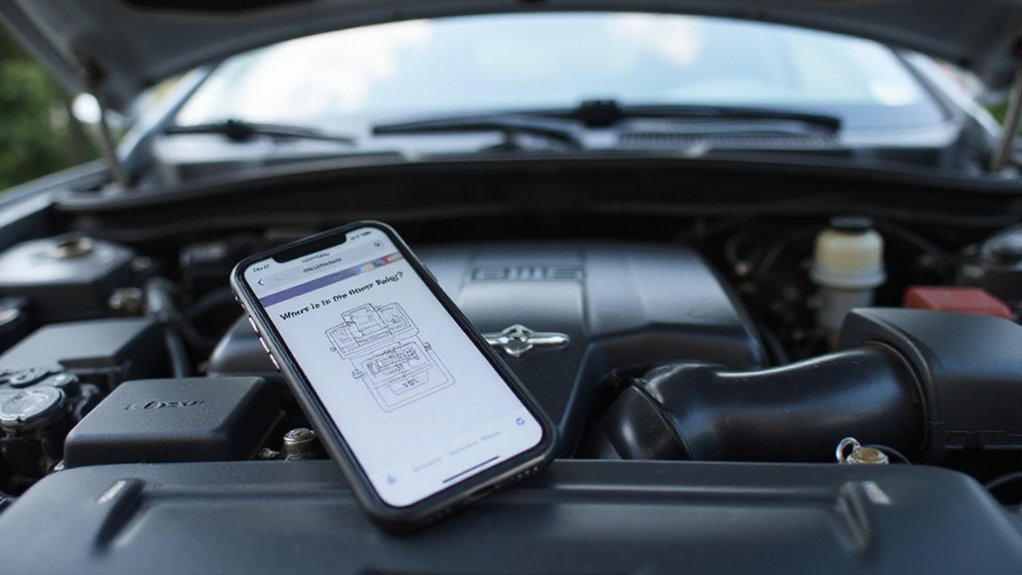
Ever wondered where your horn relay is hiding? Finding it might seem tricky, but it’s usually under the hood in the main fuse box near the battery or firewall, often on the driver’s side.
Sometimes, it’s tucked behind the glove box or inside the kick panel.
This guide will walk you through how to locate and test your horn relay quickly and easily.
Horn Relay Location – Your First Stop for a Silent Horn
Your first step is to locate the horn relay, which is typically found in the under-hood relay box or, in some vehicles, tucked inside the cabin. Identify the relay labeled “HORN” or marked with a small horn icon, often grouped with other relays. Use your owner’s manual or the fuse-box cover diagram to confirm its exact position, saving you from confusing it with similar-looking relays. A relay uses an electromagnet to internally switch high current without passing it through the horn button.
Next, test whether the relay is functioning properly. Press the horn button and listen for a click. If you hear a click, the relay’s control side is working correctly. You can further confirm by swapping the suspected relay with a similar one that has the same pin configuration, like the fog light relay. If the horn starts working after swapping, your original relay is faulty and needs replacing. Understanding how to interpret fish arches and blobs on your Garmin Striker 4 can help you avoid confusing sonar clutter with real fish. Adjusting the sonar sensitivity on your device ensures you aren’t misled by false readings while troubleshooting. For a reliable sound system alternative, consider top marine speakers that offer comparable durability and clarity.
If there’s no click when pressing the horn button, the issue likely resides elsewhere—such as the switch, wiring, or fuse. This quick test helps you narrow down the problem efficiently, focusing your troubleshooting on the right components.
The Most Common Place to Find Your Horn Relay
The horn relay is typically found in the main fuse and relay box located under the hood. This box is usually positioned near the battery, fender wall, or firewall. Since many vehicles place the relay on the driver’s side for shorter wiring runs, your troubleshooting should start here. Lift the cover of the box to access a diagram, where the horn relay is often clearly labeled. It’s important to note that the relay is usually integrated into a larger power distribution panel rather than being a standalone part. If you hear a clicking sound from the box when pressing the horn, it indicates the relay is activating, helping you confirm its location immediately. The horn relay is positioned in the second row, fourth relay up from the bottom on the fuse chart. For a more precise check, compare the relay’s amperage rating against your boat’s electrical specs, since marine-grade components often require higher current handling than standard automotive units. For anglers, understanding your boat’s electrical layout is as crucial as choosing the best fish finder for catfish to ensure reliable performance on the water. For consistent power delivery in wet environments, marine amplifiers demand a robust relay that can handle voltage spikes without corrosion.
Where to Look If It’s Not Under the Hood
If your horn relay isn’t located under the hood, you’ll most often find it behind the glove box. To access it, you need to remove the glove box itself. Once removed, check inside the cavity for labels indicating relay positions, which can help identify the horn relay’s location. Typically, the relay sits on the right side or on top of the interior relay carrier. The horn relay is typically the sixth relay from the left and is often green in color. For a clean, reliable job, ensure you have the correct tools and parts ready before starting. For anglers seeking similar precision in locating underwater structures, a fish finder with live sonar offers real-time imaging to identify fish and cover, and just as a horn relay requires clear identification, choosing marine bluetooth speakers with durable waterproof construction ensures reliable sound quality on the water.
If it’s not behind the glove box, the next common spot is under the dashboard near the steering column or within the driver-side electrical panel. You may have to remove an interior panel beneath the steering wheel to reach the relay. This area often houses the flasher and body-control relays, which can be close together.
Another location to inspect is the driver-side kick panel near your left footwell. Removing lower trim panels here may be necessary to access the relay. For trucks, don’t forget to check the cabin fuse and relay panel, as relays are often located there too. Remember, when replacing the relay, it’s crucial to correctly identify the horn relay among other similar relays inside these panels.
Use the Fuse Box Diagram to Spot the Horn Relay
The fuse box diagram will directly show you where the horn relay is located. Usually printed inside the fuse box cover, it marks the relay with a small horn icon or simply the word “HORN.” Pay close attention to the slot labels rather than just the relay’s appearance, because identical-looking relays can sit next to each other. Comparing the relay against the diagram is essential to avoid confusion. The diagram typically designates relays with an R-number, such as R1, while the horn fuse has a separate F-number. It also clarifies the wiring path of the circuit, indicating whether the horn uses one fuse or has separate fuse and relay components. If the diagram on the cover has faded, don’t guess. Match the slot numbers and amperage ratings to identify the correct relay. Using this method helps speed up troubleshooting and prevents misidentification. For boaters, similar attention to detail applies when selecting SO-239 connectors for reliable antenna connections. For fish finders, choosing a best transducer for your unit ensures accurate depth readings and stable sonar performance. To keep your electronics powered reliably on the water, consider a fish finder battery with charger that offers long-lasting performance and consistent voltage.

【Compatible】Replaceable part numbers: 12088567, 12135170, 13502679, 13500114, 19116057, 15328866, 19115083, 19115080, 15393412, 22867702, our relays are suitable for Buick, Cadillac, Chevrolet, GMC, Pontiac, etc.

Seamless Installation: With its integrated relay kit, this car fuse block eliminates complex wiring, making installation a breeze while ensuring a safer fuse relay experience. Overall, this innovative design is a game-changer, simplifying the process and enhancing overall safety.

Function: The fuse block provides multiple fuse circuits, distribute electricity from an incoming supply to different branch circuits to supply lights and other electrical appliance with electricity. The advantage of using fuse block is that only the faulty circuit will be interrupted when a fault occurs, and the normal circuits are unaffected. Thus preventing a possible hazards. Note: It's a 6-way fuse block with ACC interface, please check the product type before purchasing
Test the Horn Relay With a Click or a Quick Swap
To test the horn relay quickly, you can perform a click test or simply swap it with an identical relay. For the click test, remove the relay from the fuse box, then connect terminals 85 and 86 to a 9-volt battery to energize the coil. A clear clicking sound indicates the coil is functioning and can close the load contacts. However, a click alone doesn’t confirm the relay’s load contacts are working properly—you may need further electrical testing if the horn still doesn’t sound. Use a 12V power source to energize the relay for a more reliable coil activation. If the coil energizes but the horn stays quiet, you may also need to check for proper voltage readings at the load terminals. Understanding the anchor light requirements for nighttime visibility can help ensure your boat’s electrical accessories meet safety standards. It is also helpful to know that a horn relay prevents high current from damaging the boat’s horn button or helm switch.
If you prefer a faster approach, find an identical relay from a noncritical circuit and swap it into the horn’s position. Turn on the horn circuit to see if the horn works with the new relay. If it does, your original relay is likely faulty. Always verify the circuit after the swap to ensure the issue is resolved. Remember, a relay clicking is only a partial check—proper function of the load contacts requires additional testing if the horn remains silent.

Integrated Diode: Each relay includes a built-in diode that suppresses induced voltage during switching, safeguarding your electrical components from potential damage.

【IP65 Waterproof】The shell of 5-pin relay harness kit is made of the durable insulation material, the 5 terminals are sealed with strong cap and the rubber ring, making it connected tightly for better waterproof and dustproof so it can work in any harsh environments.

Quality Material: The a/c relay housing is made of PA66 flame-retardant material with pure copper enameled wires to ensure excellent heat dissipation and magnetism, which enhances resistance to high temperatures and arc erosion, providing excellent conductivity and long-term reliability
Recognize the Symptoms of a Bad Horn Relay
A bad horn relay typically exhibits several signs. If your horn doesn’t respond at all when you press the steering wheel pad, the relay is probably failing to pass power. Complete silence from the horn, despite a healthy electrical system, suggests relay contact failure. Intermittent operation, where the horn works sometimes but not at other times, indicates unstable internal contacts and often occurs before total failure. You might hear clicking or chatter from the relay without any horn output, signaling that power isn’t reaching the horn. A stuck relay causes the horn to run constantly, which points to welded contacts. Additionally, a weak, distorted horn sound or a burning smell near the relay are strong warnings for immediate electrical troubleshooting and likely relay replacement. For boaters, selecting a marine-grade relay with GPS navigation features can help isolate wiring issues when troubleshooting. When mounting the relay in a boat, using a corrosion-resistant mount improves the reliability of the electrical connection. Ignoring these symptoms can lead to further electrical issues or damage, so address them promptly. For a boat, selecting a Top Horn Button designed for marine environments ensures durable, corrosion-resistant performance.

【12V 40A PEAK CAPACITY】Rated for 12V DC systems with a 40A max peak switching current (1.8W coil power, 80Ω resistance). Always keep your continuous loads 10% to 15% below the rated value to ensure maximum electrical safety and relay longevity

【12V 40A PEAK CAPACITY】Rated for 12V DC systems with a 40A max peak switching current (1.8W coil power, 80Ω resistance). Always keep your continuous loads 10% to 15% below the rated value to ensure maximum electrical safety and relay longevity
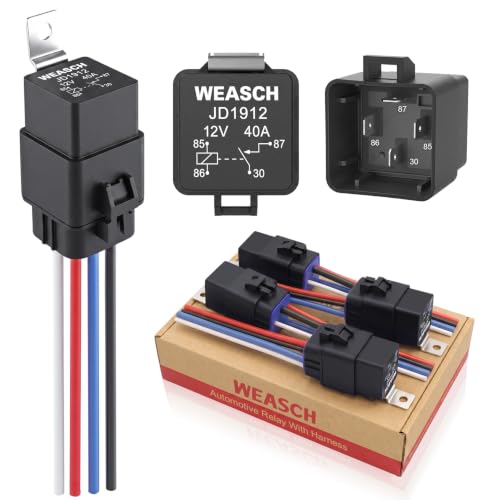
【12V 40A PEAK CAPACITY】Rated for 12V DC systems with a 40A max peak switching current (1.8W coil power, 80Ω resistance). Always keep your continuous loads 10% to 15% below the rated value to ensure maximum electrical safety and relay longevity
Fix It Step by Step – Fuse to Relay to Horn
Locate the horn relay in the same fuse box and match it to the wiring diagram. First, verify that power flows from the fuse to the relay’s supply terminal. Use a test light or multimeter to check for voltage there; if no power is present, the issue lies upstream, possibly a blown fuse or a problem with the wiring feeding the fuse box. For these Ford Focus models, the horn relay is specifically located in the bottom right corner of the fuse box, matching the same placement across all years from 2011 to 2018. Selecting pontoon boat speakers requires a focus on marine-grade components to withstand water and vibration exposure.
Next, test the relay output by swapping it with a similar relay from the box. If the horn sounds after swapping, the original relay is faulty. If the relay clicks but the horn remains silent, check the wiring leading to the horn itself for damage or loose connections. Finally, ensure the horn’s ground connection is solid, as corrosion or a poor ground can prevent operation. Follow the circuit path from the fuse, through the relay, wiring, the horn, and finally to the ground to locate any breaks or faults.
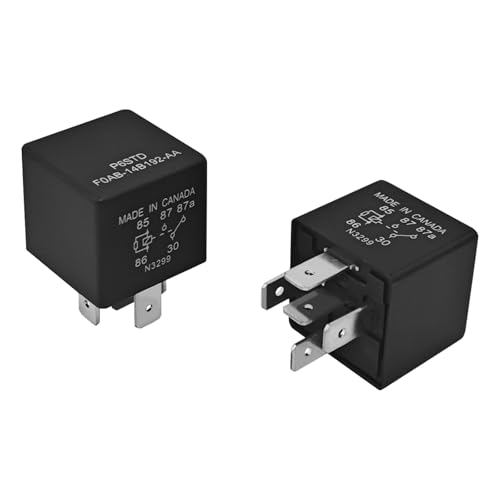
【High Performance】This relay is rated at 12V and has a maximum load current of up to 40A. It adopts a 5-pin (single-pole double-throw) design to provide precise circuit control, and can maintain fast response and low energy consumption even in high-voltage and high-temperature circuit environments

【Before purchasing】 Please check if the OE number or the number/position of the relay pins are correct. If they are the same, it is a universal designation.

[Interchange Reference Numbers] Designed as an aftermarket replacement reference for F80B-14B192-AA, 5M5T 14B192 EA, and V23136-J4-X62. Always compare the part number and relay body appearance before installation