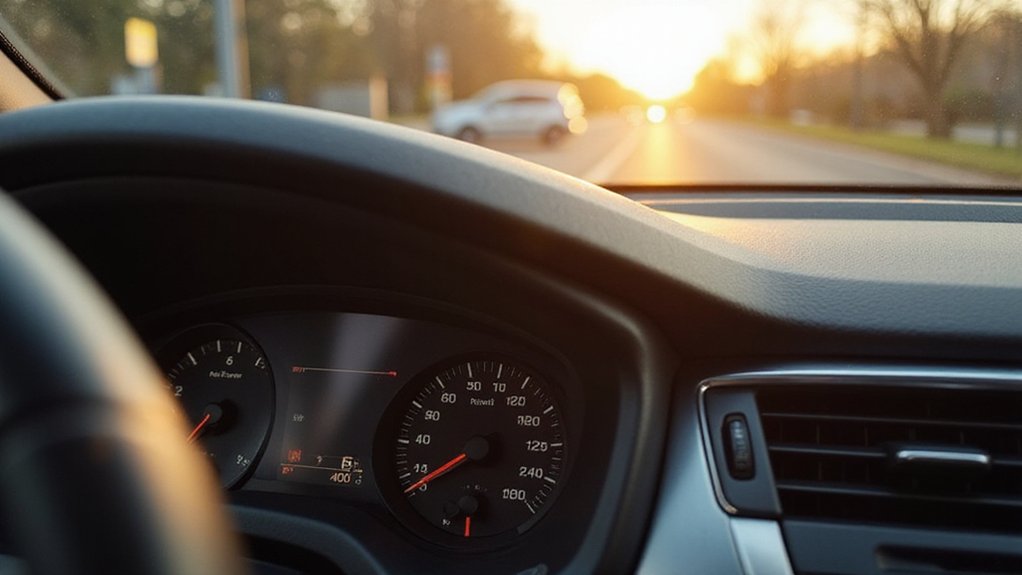
If your oil pressure gauge is bouncing around, it might seem like your engine is in trouble, but often it’s just a sensor or wiring issue causing the erratic readings.
Sometimes it’s a sign of low oil, a clogged filter, or worn parts that affect oil flow, but it doesn’t always mean immediate engine damage.
Understanding these common causes can help you diagnose whether it’s a minor fix or something more serious.
Keep reading to see how you can pinpoint the real problem.
Is a Bad Oil Pressure Sensor Fooling Your Gauge Into Bouncing?
A bouncing oil pressure gauge often points to a faulty oil pressure sensor. This sensor translates hydraulic oil pressure into an electrical signal that the gauge reads. When the sensor develops internal damage or becomes contaminated with dirt, it can send inconsistent signals, causing the needle to fluctuate rapidly and unpredictably. Electrical noise generated from a failing sensor can make the gauge bounce even if the engine sounds perfectly fine. Typically, you’ll see this happening when the engine runs smoothly without knocking or ticking sounds. To accurately diagnose the issue, connect a mechanical test gauge to your engine. If it shows steady oil pressure while the dash gauge continues to bounce, the sensor is at fault. Replacing the oil pressure sensor usually resolves the problem without risking damage to your engine. When shopping for a replacement, consider comparing top fish finders with similar diagnostic tools for marine engines. For those who prioritize high-quality instrumentation, reviewing live sonar accuracy can help ensure you select reliable gauges for your vessel. Don’t dismiss the bouncing gauge out of hand—though common, a faulty sensor is easily fixed and won’t harm your engine if addressed promptly. Ensuring your instrumentation is reliable is as important as choosing a top speedometer for your boat to maintain accurate readings while on the water.

【High Quality】A ABIGAIL Oil Pressure Sensor is made of high quality material which is reliability, and durability. With the new sensor on, your vehicle will have a new life.

Some ACDelco GM Original Equipment parts may have formerly appeared as GM Genuine Parts (OE) or ACDelco Professional.

【High Quality】A ABIGAIL Oil Pressure Sensor is made of high quality material which is reliability, and durability. With the new sensor on, your vehicle will have a new life.
Could Loose or Corroded Wires Be Disrupting the Signal?
Loose or corroded wires can definitely disrupt the engine oil pressure signal. When wiring connections are not secure or become covered in corrosion, they hinder the proper transmission of voltage to your gauge. A loose connector between the sender and wiring harness creates an intermittent circuit, causing the needle to jump or fluctuate unexpectedly. Corrosion on terminals adds resistance, which distorts the voltage signal and makes the gauge unreliable. Similarly, inconsistent electrical signals can arise from faulty wiring, just as a boat’s stern light must show a consistent white light to remain compliant with navigation regulations. For best accuracy, you should check your sonar menu settings to ensure the gauge is interpreting the signal correctly.
Vibration, heat, and oil exposure can loosen or damage the sender-side wiring over time. A frayed wire or a broken conductor inside the insulation can cause fluctuating readings when the harness moves or is touched. You’ll often notice the needle changing position when you wiggle or tap the wire. A poor ground connection is another common culprit that can cause erratic readings by disrupting the entire circuit. To fix this, clean any corroded terminals with contact cleaner, reseat loose connectors, and repair or replace damaged wires to ensure a stable, reliable signal. Just as with a Garmin ECHOMAP, maintaining clean and secure connections is essential for preventing signal disruption and ensuring accurate performance.
Is Low Oil Level or a Clogged Filter Causing Bouncing Oil Pressure?
A clogged or dirty oil filter can cause bouncing oil pressure readings on your gauge. When the filter becomes blocked or contaminated with debris, it restricts oil flow, leading to pressure fluctuations. This can make the gauge jump or flicker, especially at idle or low RPMs. You might also hear valvetrain ticking or see a warning light if the filter is severely clogged. Replacing the filter is essential if contamination is suspected, as a clean filter ensures proper oil flow and pressure stability. To prevent inaccurate readings, always mount the gauge in a correct position to ensure it reads oil pressure directly from the engine gallery rather than from a remote location that could introduce delay or noise. Remember, ignoring oil pressure issues or running with a clogged filter can lead to serious engine damage. If symptoms persist after replacing the filter, it’s wise to verify oil pressure with a mechanical gauge. Adjusting the sensitivity and scroll speed settings on your gauge can help you distinguish between real pressure fluctuations and electrical noise, similar to reducing sonar interference on a fishfinder. For marine applications, choosing a high-quality transducer can improve the accuracy of your readings in challenging conditions.

DESIGNED SPECIFICALLY FOR K&N AIR FILTERS

Each MANN-FILTER Cartridge Oil Filter is engineered to meet the highest filtration requirements of European automotive nameplates, delivering perfect service mile after mile

The Genuine Subaru Engine Oil Filter removes millions of microscopic pollutants and dust particles. Remember to change your engine oil and filter every 6 months or every 7,500 miles depending on conditions where you are. Check your owner’s manual for the replacement schedule that’s right for your Subaru.
Could a Worn Oil Pump or Stuck Relief Valve Be the Cause?
A worn oil pump or a stuck relief valve can definitely cause bouncing oil pressure readings. A worn oil pump loses internal efficiency, making it struggle to maintain consistent pressure, especially when the engine is hot and oil becomes thinner. This results in fluctuating pressure levels, which show up as bouncing on the gauge. A stuck relief valve can also cause erratic readings: if it’s stuck open, oil leaks back to the pan, dropping pressure at idle; if it’s stuck closed, pressure spikes at higher RPMs. Contamination often causes the relief valve to stick intermittently, leading to bouncing rather than a steady low or high reading. To pinpoint the cause, a mechanical pressure test is essential—it confirms whether the pump or relief valve is truly failing before replacing any parts. Using a multimeter to check relay continuity is a similar diagnostic step for electrical components. For anglers, is similar diagnostic step to using a reliable fish finder to confirm underwater conditions before the catch. Just as a night vision camera improves your boat’s safety by allowing you to see at night, diagnosing oil pressure issues early prevents engine damage in low-visibility conditions.
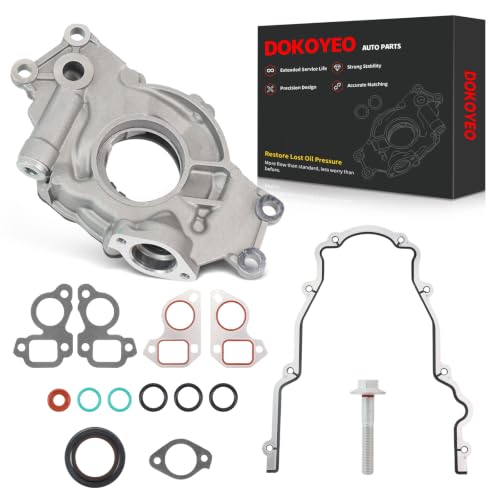
This high volume oil pump delivers excellent oil pressure and flow to ensure optimal engine lubrication and cooling under extreme conditions, making it a reliable upgrade for your rebuild or repair needs


Compatible Bottle Pump Solution: Body oil pump dispenser compatible with Neutrogena body oil 16 fl oz bottles, turning the bottle into a convenient pump bottle for oil during daily skincare routines.
When Should You Stop Driving for a Mechanical Oil Pressure Test?
You should stop driving immediately if your oil pressure needle drops to zero, enters the red zone, or flutters erratically. These are signs of a potential loss of lubrication or a significant engine issue. Once you’re safely out of traffic, shut the engine off to prevent further damage. Do not restart the engine until you have checked the oil level and performed a mechanical oil pressure test. Such emergency warnings require prompt and cautious action. An erratic needle that jumps faster than fluid dynamics allows indicates an electrical issue rather than a mechanical failure. For optimal gauge reliability, a stable sensor mount is as critical as a high-quality fish finder transducer for preventing false readings.
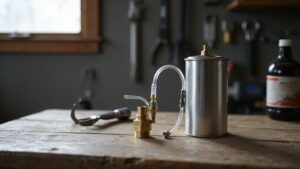
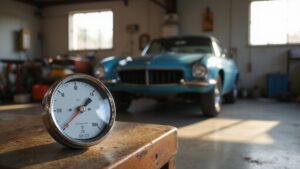
Even if the oil pressure gauge bounces but the oil level is full, you still need to conduct a mechanical oil pressure test. The factory-installed sensor can provide false readings, so a mechanical gauge offers a more reliable measurement. If the mechanical gauge shows steady pressure while the dash gauge swings, the problem likely lies with the sensor. Conversely, if the mechanical gauge fluctuates, you are facing a genuine engine-side problem. Similar to how top radar mounts ensure stable readings by securing equipment properly, a stable sensor mount prevents vibration-induced false signals. In either case, stopping immediately for a mechanic’s assessment is the safest choice to avoid risking further engine damage. For reference, top depth finders for boats also rely on accurate sensor data to avoid false readings.