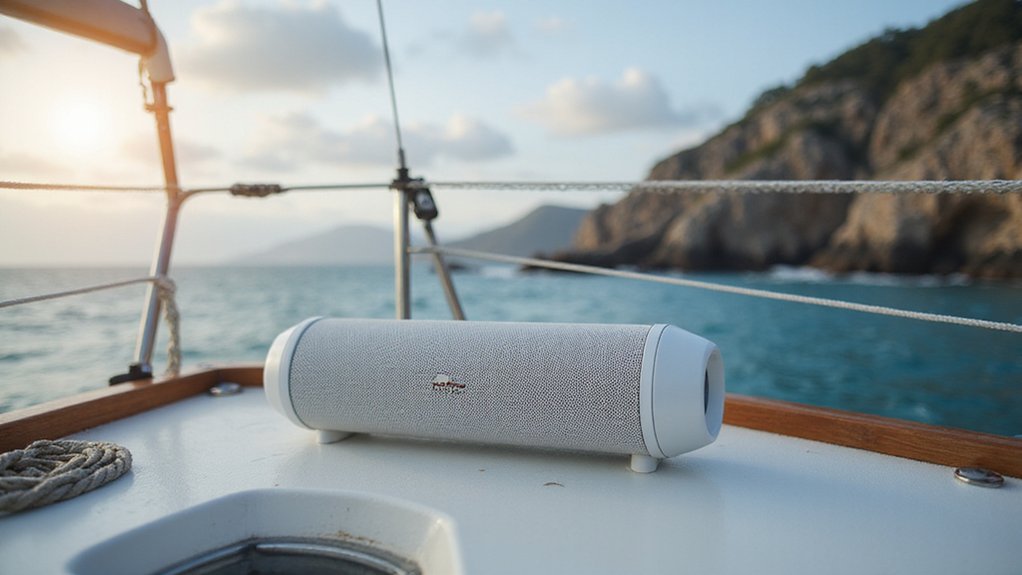
Getting the right marine speakers means choosing ones built to withstand sun, moisture, and salt. Unlike regular speakers, those designed for boats have sealed motors, UV-resistant cones, and corrosion-proof hardware to keep them working smoothly.
Knowing what features truly matter helps you pick speakers that deliver clear sound and long-lasting durability. Keep reading to learn the essentials.
How Do Marine Speakers Differ From Standard Speakers?
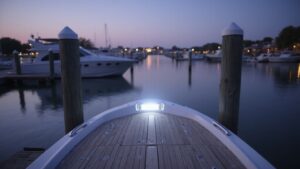
Marine speakers differ from standard indoor speakers primarily in their ability to withstand harsh outdoor conditions. They feature water-resistant designs with sealed motor structures and front-facing barriers that actively repel spray and washdowns, unlike standard models that can quickly fail when exposed to moisture. Additionally, they are equipped with UV-resistant baskets and surrounds that protect against sun damage, helping them maintain sound quality after prolonged exposure to direct sunlight. A secure mounting system, such as those offered by top ram mounts for fish finders, ensures your audio equipment stays stable in rough weather. Corrosion-resistant hardware and nonmagnetic frames are standard in marine speakers to prevent rust from salt air, which extends their lifespan dockside or on boats. Aesthetic options are diverse, with many manufacturers providing a variety of colors to match your boat or outdoor space. For those seeking enhanced visual appeal, many premium models now include built-in LED lights that illuminate the speaker grille to match your marine lighting theme. However, marine speakers are tuned for open-air listening, delivering louder highs and punchier lows that cut through wind, engine noise, and outdoor background sounds. This tuning sacrifices some subtlety and indoor refinement for increased durability and volume. Professional installation often includes a boat switch panel to centralize control of all onboard electronics.

WATER RESISTANT: This is a marine speaker with water resistant construction and can be used for several vehicles because it can withstand heavy water splashes and other outdoor conditions

Bluetooth Compatible: Stream audio directly from your hand held A2DP, AVRCP, HSP, HFP Bluetooth enabled device like iphone, android, smartphones, iPad, tablets and play internet radio services like pandora with the help of this receiver
What Does “Marine-Grade” Actually Mean?
“Marine-grade” technically means that a product has been built and tested to withstand harsh marine conditions, but it’s more than just a label. It signifies that the speaker incorporates specific features designed for environments exposed to water, salt, sunlight, and humidity. For example, corrosion-resistant metals like stainless steel or brass are used to prevent rust from salt spray. UV-stabilized polymers protect the components from cracking, fading, or becoming brittle under constant sunlight. Additionally, sealed enclosures or gaskets keep moisture out, shielding sensitive internals from splashes, humidity, and light rain. However, it’s important to note that “marine-grade” does not automatically mean the product is suited for full submersion; claims of true waterproofing are backed by testing standards such as salt fog exposure or UV durability certifications. To ensure a product truly meets marine-grade standards, look for documented ratings like IP (Ingress Protection) ratings or ASTM standards that verify its ability to endure the specific challenges of a marine environment. The same rigorous approach applies to other marine electronics, where buyers should prioritize corrosion-resistant metals and sealed housings to ensure long-term reliability on the water. For beginners seeking any marine electronics, focusing on entry-level models with proven durability can help avoid costly mistakes. When wiring such electronics, following a step-by-step wiring guide ensures clean, reliable connections that resist corrosion and moisture.
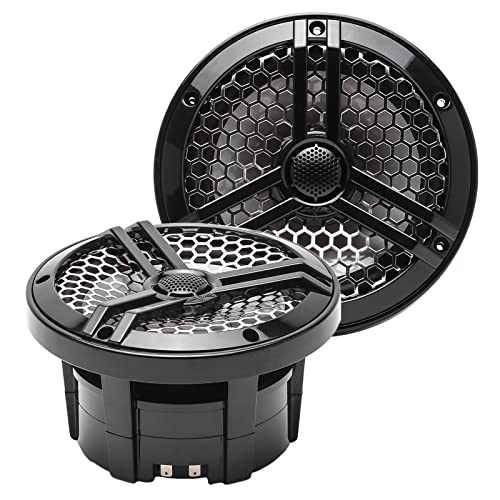
6. 5" 2-Way Coaxial Full Range Marine Grade Speakers, Pair (Black)

COMPLETELY WATERPROOF: This is a marine speaker that’s completely waterproof and can be used for several vehicles because it can withstand heavy water splashes and other outdoor conditions

WATERPROOF: Comes with 2 marine speakers that are waterproof with a standard size of 6.5 inches each. Can be used for several vehicles because it has a weather resistant feature to withstand heavy water splashes and other outdoor conditions
Marine Speaker Specs You Should Actually Care About
Protection ratings are crucial when choosing marine speakers. An IPX5 rating is the minimum you should consider for cockpits, but for transoms or areas prone to submersion, opt for IPX7 or IP65. These ratings indicate the speaker’s resistance to water exposure, with higher numbers offering better protection. UV-stabilized materials and salt-spray ratings of over 300 hours help prevent sun damage and corrosion, ensuring your speakers last longer in harsh marine environments. Investing in durable, water-resistant hardware is vital to maintain sound quality and longevity amid constant exposure to moisture and UV rays. Similarly, fuel tank sending units rely on robust construction and corrosion-resistant materials to ensure accurate readings in challenging conditions. For anglers, pairing your audio setup with a premium Livescope+ System can dramatically improve your ability to locate fish in complex underwater terrain. When installing marine electronics like speakers, following a step-by-step installation guide ensures a clean, reliable wiring job that prevents water intrusion and connection failures.
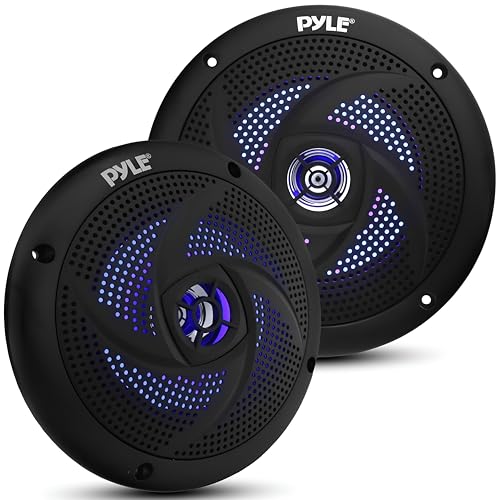
WATERPROOF: Comes with 2 marine speakers that are waterproof with a standard size of 5.25 inches each. Can be used for several vehicles because it has a weather resistant feature to withstand heavy water splashes and other outdoor conditions

Waterproof: comes with 2 Marine speakers that are waterproof with a standard size of 5. 25 inches Each. Can be used for several vehicles because it has a weather resistant feature to withstand heavy water splashes and other outdoor conditions

SPEAKER DIMENSIONS: This 6.5" marine speaker has a total speaker diameter of 7.3 inches, a cut-out diameter of 5.3 inches, and a mounting depth of 0.92 inches, so be sure to check these measurements against your existing installation opening before mounting
Choosing the Right Size and Power for Your Boat
To choose the right size and power for your boat speakers, start by measuring your available space. The key measurements are the cutout diameter and mounting depth. These dimensions determine which speakers will fit properly in your boat’s existing openings. For most boat upgrades, 6.5-inch speakers are a straightforward, direct-fit option. If you’re looking for more mid-bass and volume, consider larger sizes like 7.7-inch or 8-inch models, especially on bigger vessels. Similarly, when choosing a fish finder for a kayak, comparing the top options helps ensure the best fit for your specific setup. For a more portable approach, consider a fish finder that is compact and easy to move between different watercraft. Sound quality matters, too. A speaker that’s too small for your space may sound strained at higher speeds or volume levels. Matching the RMS power of your speakers to your boat type is important: small fishing boats typically need 50W to 75W, while mid-sized runabouts perform well with 75W to 125W. For wakeboard or high-volume cruising boats, aim for 100W to 150W RMS per speaker. Finally, ensure your amplifier output is compatible. Keep it within 75% to 150% of your speaker’s RMS rating to prevent distortion or damage. Proper sizing and power matching will keep your sound clear and avoid unnecessary upgrades or replacements. For a reliable performance check, consider using a mechanical oil pressure gauge to monitor engine health while running your audio system.

POWERFUL SPEAKER FOR CAR & MARINE - Polk DB652 2-Way Coaxial Marine Certified Speaker, 300W peak, 4-ohm, 6.5" polypropylene woofer, 3/4" silk dome tweeter, strong rubber surround reproduces high-quality music

COMPLETELY WATERPROOF: This is a marine speaker that’s completely waterproof and can be used for several vehicles because it can withstand heavy water splashes and other outdoor conditions

Weatherproof - The MR6B have been outfitted with the latest weatherproofing techniques for protection against the elements
Critical Features: UV Resistance, Corrosion Protection, and Fitment Checks
To ensure marine speakers withstand harsh environments, prioritize UV resistance, corrosion protection, and accurate fitment checks. UV-stabilized polypropylene cones and ASA housings prevent fading and cracking caused by constant sun exposure. ASTM D4329 validation confirms long-term sun durability, ensuring the speakers retain their appearance and performance over time. For corrosion resistance, look for stainless steel hardware, tinned-copper wiring, and conformal-coated crossovers, which guard against salt and spray damage. ASTM B117 salt-spray testing provides proof of waterproof technology, crucial for marine conditions. For an integrated audio solution, a marine sound bar offers the same level of durable engineering in a single, space-saving unit. Reviewing top navigation lights can also help you understand the importance of standardized marine lighting for safe sailing. The same emphasis on rugged construction applies to a depth finder for jon boat, which must also endure constant exposure to water and sun.
Equally important are precise fitment checks: verify the cutout diameter, mounting depth, and bolt pattern to ensure a proper fit on your boat. Failing to confirm these dimensions can lead to installation issues and increased maintenance. Prioritizing tested UV and corrosion protection, alongside confirming compatibility dimensions, helps you select speakers built to endure a marine environment. Vague claims like “weather-resistant” won’t cut it; concrete protection features and accurate measurements are what truly matter for long-term durability.

All Weather Protection: Built with 900D marine-grade Oxford fabric and a waterproof PU coating, these marine speaker covers provide superior protection against rain, snow, salt spray, UV rays, and dust. The heavy-duty tear-resistant fabric helps prevent wear and fading, keeping your boat tower speakers protected in harsh marine environments year-round.

Reliable Marine‑Grade Protection - Boat Speakers IP67 rated to survive 30‑minute immersion in 1‑meter water, resists dust and salt‑spray corrosion. Built tough for boats, beach use and outdoor adventures

900 Heavy-Duty Polyester Fabric - The boat speaker covers are made of 900D marine grade polyester fabric, which is more tear-resistant, waterproof and UV resistant with UPF 50+, which can better prevent aging and fading.