
Having trouble trusting your airspeed indicator? A blocked pitot tube can give you falsely high or low readings—dangerously misleading during flight.
If you understand how to spot and fix this silent issue, you can avoid risky control inputs and keep your flights safer. Here’s what you need to know to identify and handle a blocked pitot tube.
Why a Blocked Pitot Tube Is More Dangerous Than You Think
A blocked pitot tube is far more dangerous than you think because it can deliver false but convincing readings, actively misleading you about the aircraft’s true airspeed. This false data can make everything seem normal, even when the aircraft is slowing down or about to stall. Historical incidents show crews trusting frozen speed indicators, leading to incorrect pitch adjustments and unintentional stalls without realizing the aircraft’s actual velocity. Ice, dirt, or even a forgotten cover can cause a pitot tube blockage on any flight, making it a common and persistent hazard. When the pitot tube is blocked, your cockpit displays appear normal, so you may not suspect trouble until the stall warning sounds or you try to abort a takeoff. Pilot training stresses that misleading indications are more dangerous than an absence of data because they prompt wrong recovery actions. These actions—such as incorrect pitch or configuration changes—can quickly erode your safety margin, especially at low altitudes where your reaction time is limited. Partial blockages can also mimic normal operation, keeping you blind to the real situation longer. It’s essential to treat a blocked pitot tube not as a mere instrument glitch but as an active threat to aircraft control. Just as fish finders rely on accurate sensors to avoid false readings, pilots must recognize that contaminated pitot data can similarly mask critical hazards. For boat owners, understanding that CHIRP technology uses frequency sweeping to produce clearer returns highlights how reliable data from any sensor is key to avoiding dangerous assumptions. The same principle applies when selecting the best saltwater fish finders, as top picks for quality and value are designed to prevent misleading sensor outputs in harsh marine conditions.
How a Blocked Pitot Tube Changes Your Airspeed Readings
A blocked pitot tube causes your airspeed readings to become unreliable and can even freeze the indicated speed. If both the pitot opening and drain hole are sealed, the pressure inside the tube remains constant, causing the airspeed indicator to freeze at the value it displayed at the moment of blockage. When the static port is functioning properly, climbing causes static pressure to decrease while pitot pressure remains fixed, resulting in a higher indicated airspeed. This creates a false reading where climbing makes your indicated airspeed appear to increase, and descending causes a decrease, often toward zero. With partial blockages, the readings drift unpredictably, fluctuating rather than staying frozen. In all cases, the absence of proper ram-pressure measurement means you cannot trust your airspeed indicator, which can be dangerous during flight. For boaters, a similar blockage in a pitot tube speedometer can cause unreliable speed readings that impair navigation. To ensure accurate readings in such marine systems, proper battery connection wiring is essential for keeping the speedometer electronics powered and reliable. Kayak anglers using similar systems can benefit from top Garmin fish finders that provide reliable sonar data independent of pitot-based speed measurements.
What Your Airspeed Shows When You Climb or Descend With a Blocked Pitot
When your pitot tube is blocked and the static port remains clear, your airspeed indicator will inaccurately reflect altitude changes rather than true changes in speed. As you climb, the trapped pressure in the blocked pitot tube remains constant while static pressure drops with altitude. This causes the differential pressure to increase, making your airspeed indicator show a higher speed than actual. Conversely, during descent, static pressure increases, reducing the differential and causing the airspeed to appear lower than it truly is. For similar reasons, it is important to use clear boat labels on switch panels to avoid misidentification of critical controls in a marine environment. To avoid similar confusion in aviation, a pilot should invest in a reliable fish finder battery to ensure electronic flight instruments remain powered during critical phases. You can also perform a visual inspection for signs of oil leakage or damage, which is similar to checking for mechanical issues without specialized tools.
This error develops gradually and can be misleading. During a climb, your airspeed may seem normal or even high, giving a false sense of safety. During a descent, it can suggest you are slower than you actually are, which might tempt you to add power unnecessarily. Because the readings are unreliable under these conditions, you should not depend on the airspeed indicator alone. Instead, focus on pitch attitude, power settings, and visual cues to maintain safe flight. The blocked pitot essentially tricks you into mistaking altitude change for speed change, which can lead to dangerous decisions if not properly identified.
Common Causes of a Blocked Pitot Tube
Insect contamination is a common cause of pitot tube blockages. Bugs like mud daubers often build nests inside the tube while your aircraft is parked outside, especially in warm weather. A single nest can completely obstruct the air data system, and you might not notice the blockage before takeoff. Similarly, an hour meter for boat can help track engine run time to catch performance issues early.
Maintenance residues also pose a risk. Leaving a pitot cover on or tape from a recent wash can create a full obstruction, which is a surprisingly frequent preflight oversight. Ice and frozen moisture can cause issues too—if you do not use pitot heat or moisture enters during rain or washing, it may freeze and block the line at altitude. Dirt and dust from windy ground conditions can enter and partially block airflow as well. Similarly, a failing fuel sending unit can be diagnosed by testing resistance values with a multimeter, which helps identify if the blockage is causing inaccurate readings. When comparing options to prevent such blockages, boaters researching marine electronics reviews can find fish finders that offer reliable air data integration. Each of these causes results in a blocked pitot tube, which can impair your airspeed indication and potentially compromise flight safety.

Fits pitot tubes up to 6.5" L and 0.75" D

Fits blade tube up to 1 3/4" wide

Spot Erroneous Airspeed Before It’s Too Late
To spot erroneous airspeed indications caused by a blocked pitot tube, look for signs that the reading is invalid or inconsistent with flight conditions. A frozen airspeed indicator—that is, a needle stuck on a particular reading—suggests trapped pressure, especially if it ignores changes in power or attitude. Zero airspeed readings during normal flight imply a ram-air blockage, which prevents pressure from reaching the instrument. During climb, if the airspeed appears to rise steadily without corresponding attitude or power changes, static pressure may be dropping, creating the illusion of increased speed. Conversely, in descent, falling readings may hide overspeed risk. For a boat, selecting a top marine sound bar instead requires comparing quality and performance for the best audio experience. Selecting a marine switch panel offers organized control of electrical systems for reliable onboard operation.
Cross-check the airspeed reading against your aircraft’s attitude, power settings, and other instruments such as the altimeter and vertical speed indicator. A discrepancy between your expected response and what the airspeed reads signals a potential error. Do not rely solely on sensor calibration; ensure maintenance procedures verify the integrity of the pitot-static system. A direct wire connection without a relay can be a simpler but less robust approach to powering accessories, though it is unrelated to pitot-static system maintenance. In flight, treat any suspicious or conflicting readings—such as erratic needle movements or a stuck indicator—as false data that must be addressed immediately to avoid dangerous situations.

L Type 304 Stainless Steel Pitot Tube

Sierra Transom Seal

High-Precision Senser: Features the MPXV7002 series piezoresistive transducer for accurate pressure up to 7kPa
Immediate Steps to Take When You Suspect Pitot Blockage
If you suspect a pitot blockage, your first priority is to stabilize the aircraft. Do not chase the airspeed indicator; instead, rely on the attitude indicator to maintain your pitch and power settings. Disconnect the autopilot if it behaves erratically, as this can help prevent further confusion. Immediately activate the pitot heat to melt ice or evaporate moisture that could be causing the blockage. If this does not improve the indicated airspeed, check the circuit breaker for the pitot heat and select an alternate static source if available and approved. Cross-check your airspeed against pitch, power, and GPS groundspeed to identify discrepancies. Cover or disconnect unreliable airspeed instruments to avoid fixation on false readings. Notify ATC about the situation, and declare an emergency if your situational awareness decreases. Your training emphasizes disciplined monitoring, conservative power settings, and avoiding complex or risky maneuvers. Proceed to land at the nearest suitable airport, ensuring the aircraft is stable and in control without performing unnecessary or unsafe maneuvers. Ensure that the relay connections are secure and properly insulated to prevent electrical faults that could affect critical systems. Always verify that the pitot blockage is cleared and repaired before departure to prevent recurrence. Treat unreliable airspeed instruments with the same caution you would apply to marine speakers that are not sealed against moisture ingress. Similarly, for boat electronics, consider reviewing top transducer mounts that ensure reliable performance in harsh conditions.

❤【EXCELLENT PERFORMANCE】Designed for longevity, this speedometer pitot tube kit features excellent performance, high toughness and heat resistance, ensuring safe readings and a firm navigation experience.
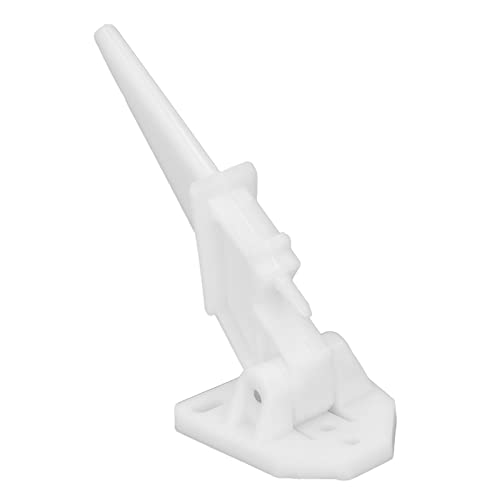
Universal Marine Accessories : Compatible with all marine pressure driven meters up to 80 mph including for , for Medallion and more .

Ensures accurate speed readings up to 80 MPH for all marine pressure-driven speedometers, including compatible models like Faria and for medallion, by providing steady water pressure to the gauge.
How a Blocked Pitot Tube Sets You Up for Stall
A blocked pitot tube can cause your airspeed indicator to give false readings, which significantly increases your risk of entering a stall without warning. When the tube is obstructed, it traps static pressure and feeds incorrect airspeed data into your instruments. During climb, instead of decreasing, the indicator may climb, mimicking a true increase in speed, prompting you to reduce pitch or power unnecessarily. Conversely, as you descend, the false speed may fall, misrepresenting your actual airspeed. This faulty reading can lead you to cross-check poorly, rely on the incorrect display, and inadvertently bleed off energy. The result: you might increase pitch, thinking you need to gain speed, only to approach a high-angle-of-attack stall. Routine maintenance—specifically corrosion prevention on pitot openings—can greatly reduce this risk, but when neglected, the false cues from the instrument override your real-world perception and set the stage for a stall. Just as a blocked pitot tube misleads pilots, a faulty chartplotter can similarly misguide boat owners by displaying false navigation data, increasing the risk of grounding or collision. For a comparable boating scenario, choosing a top depth finder for your vessel ensures accurate underwater readings, helping you avoid obstacles and navigate safely.
Prevent Pitot Blockage on the Ground and in Flight
Disciplined ground handling is essential to prevent pitot tube blockage. Immediately install manufacturer-approved covers after parking and use high-visibility streamers to ensure they are not left on the aircraft. During preflight inspections, physically examine the probe for dirt, nesting insects, or damage, and verify that the drain hole is clear. Implementing standardized procedures for cover removal and rechecking after ramp servicing or deicing helps prevent oversights.
In flight, turn on the pitot heat before takeoff or whenever entering visible moisture. This feature melts ice that could cause blockage but does not replace the need for a clear probe. Regular maintenance is also vital: clean drain holes at recommended intervals and monitor for corrosion. Conducting ongoing training on pitot blockage scenarios sharpens your awareness, and routine walkarounds combined with proper heat use ensure reliable air data from ground operations through cruising altitude.


Fits: Cessna 150, 152, 172, 182, 200 Series, Skymaster, and the Falcon jet.

Heavy-Duty, Weather-Resistant Construction: Crafted from premium marine-grade vinyl with UV protection, this cover withstands harsh environments—from intense sun exposure to freezing ramp conditions. Built for long-term durability and repeated use.
Understand Alternate Static Source Behavior After Blockage
Selecting the alternate static source restores airspeed, altitude, and vertical speed indications when the primary static port is blocked. However, expect certain instrument errors. The altimeter typically reads higher than your true altitude because cabin pressure is lower than outside atmospheric pressure. The airspeed indicator also shows higher readings, which can cause you to fly faster than intended during approach. The vertical speed indicator may momentarily show a climb before settling to a steady reading.
These inaccuracies can affect your judgment, so cross-check other instruments and your outside visual cues. Use your aircraft-specific correction tables from the POH to adjust the readings accurately. Remember, the alternate static source provides a vital backup, but it does introduce slight errors. Relying solely on it without understanding these potential discrepancies can be risky. If the primary static port remains blocked, switching to the alternate source is essential to restore instrument function, but always interpret the readings with caution.