Worrying about how to stay safe if things go wrong on the water is natural, and knowing about emergency beacons can make a real difference.
An EPIRB is a device that broadcasts your location to rescue teams if you’re in trouble, helping them find you quickly. Understanding how it works and keeping it ready ensures you’re prepared if an emergency strikes.
What Is an EPIRB and How Does It Work on a Boat?
An EPIRB, or Emergency Position Indicating Radio Beacon, is a device you activate during a serious emergency at sea. It transmits a 406 MHz distress signal to the Cospas-Sarsat satellite network, which is designed for rapid global alerting. Once activated, the satellite system quickly relays your distress signal to ground stations and rescue coordination centers, initiating the rescue process.
Your EPIRB provides a unique identification code linked directly to your vessel’s registration, allowing rescue teams to identify who you are immediately. Many units also emit a 121.5 MHz homing signal, which helps rescuers locate you more accurately at close range. Some newer models include AIS messages, providing additional real-time location data. For reliable signal transmission, pairing your EPIRB with a marine radio antenna ensures your distress signal is effectively broadcast to nearby vessels. For catfish anglers, a dedicated fish finder can similarly help locate productive fishing spots by scanning underwater structures. When choosing a beacon, it is important to compare top EPIRB options to find the best fit for your boat and cruising area.
Because EPIRBs operate on two frequencies, 406 MHz for satellite communication and 121.5 MHz for homing, they ensure efficient rescue coordination and faster location pinpointing. These devices are battery-powered and function independently of your boat’s electronics, making them a reliable, last-resort tool in maritime emergencies.

RLS (Return Link Service) confirms that Search and Rescue has received the distress signal, notifying the beacon owner that assistance is on the way.
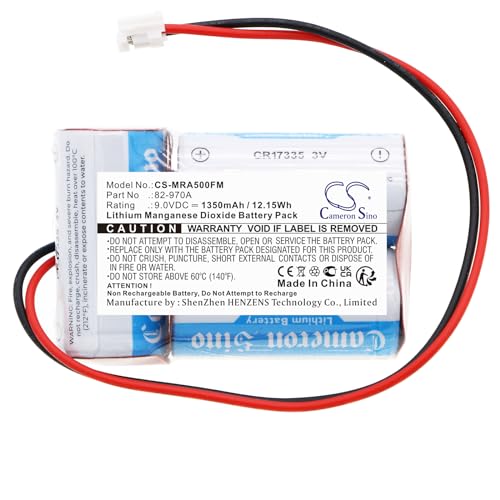
Highly compatible with: Smartfind 406 EPIRB A5 A5G E5 G5, 406MHz Marine Emergency Beacon.

RLS (Return Link Service) confirms that Search and Rescue has received the emergency distress signal, alerting the beacon owner.
When Should You Manually Activate an EPIRB vs. Let It Auto-Trigger?
Manual activation is appropriate when the boat is still afloat, and you can safely access and remove the EPIRB from its bracket. Doing so allows you to position the beacon in an open area, ensuring optimal signal visibility to satellites. This approach is ideal when you plan to abandon the vessel to a liferaft or when the boat is disabled but not sinking rapidly, giving you control over the triggering process. For optimal emergency preparedness, consider using top fish finders to help monitor your boat’s position and surroundings. If the vessel is sinking quickly or you cannot reach the EPIRB safely, it is best to rely on auto-triggering. Float-free models are designed to release automatically when submerged, reducing the risk of delaying the alert. Automatic activation is the safest option when crew actions might become impossible due to the urgency of the situation. In any case, prioritize the quickest and safest way to establish a clear satellite signal—whether by manual activation or letting the water trigger the device. Understanding how a thru-hull transducer mounts through the hull can help you choose a secure installation point that won’t compromise the EPIRB’s float-free release or your ability to access the bracket in an emergency. For clear sonar imaging during emergency navigation, many boaters rely on the Striker Vivid 7cv fishfinder for reliable depth and structure readings.
What Happens After Your EPIRB Sends a Distress Signal?
Once you activate your EPIRB, whether manually or automatically through a crash or water sensor, it starts transmitting a 406 MHz distress message to satellites overhead immediately. These satellites forward your alert to a ground station, which then relays it to a Mission Control Center. The center routes your case to the nearest Rescue Coordination Center (RCC). Keep in mind, your EPIRB’s signal prompts a search-and-rescue operation, not a direct call to nearby vessels. For comparison, ice anglers often rely on Lowrance fish finders to locate their position and structure underwater, though they do not serve as distress beacons.
The RCC identifies your vessel using the unique ID from your beacon and, if available, GPS coordinates. They will verify your registration data and may contact your emergency contacts to confirm the situation, considering factors like navigation rules, weather, and your last known location. During the final rescue phase, a 121.5 MHz homing signal helps rescuers locate you precisely. It is critical not to turn off your EPIRB until authorities instruct you to, as false alarms can divert vital resources from genuine emergencies.
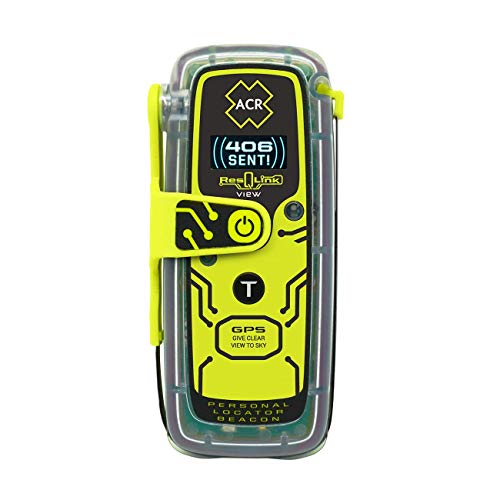
Once activated, an SOS distress signal with GPS position is sent direct to Search and Rescue forces worldwide using the 406 MHz Emergency Distress Signal with 121.5 MHz Homing Signal (No Subscription Required)


GlobalFix V5 AIS EPIRB (CAT. 2 - Manual Release Bracket) | No Subscription Required | AIS (Automatic Identification System) Locating Signal - Local Rescue | 406 MHz satellite connectivity | 121.5 MHz homing signal - Global Rescue via COSPAS SARSAT Satellite Network
How Long Does an EPIRB Transmit and What Powers It?
When your EPIRB is activated, it is designed to transmit continuously for at least 48 hours, powered by an internal lithium battery. This battery provides the energy needed to maintain a strong signal throughout the distress period, ensuring your beacon remains effective until rescue. The battery must supply enough power for the entire transmission duration without recharging or replacement. Environmental conditions, especially temperature, can impact battery performance by shortening its lifespan and reducing signal strength. Approved units are engineered to broadcast reliably once activated, so you do not need to intervene. For optimal situational awareness during a rescue, using marine binoculars with compass can help spot approaching vessels. Keep in mind, the battery lifespan refers to how long it can be stored before activation, while the transmission life is the duration it can broadcast once turned on. When the battery reaches the end of its service life, the beacon can no longer provide guaranteed full-duration transmission. To ensure the system is reliable, you can test the circuit using a multimeter for resistance readings, similar to checking for failure in a fuel sending unit.

[Battery Compatible] Replacement Battery for Mcmurdo A5, A5G, E5, E5 smartfind 406 Epirb, G5, Smartfind 406 Epirb . All batteries are Certificated with ISO9001, RoHS, and CE.

32lbs - The lightweight design of the Newport deep Deep cycle battery makes it easy to transport and install in your marine vessel. Enjoy powerful and reliable performance without adding unnecessary weight to your boat.

What Are the Legal Requirements for EPIRB Registration and Maintenance?
You must register your EPIRB with the relevant authorities before installation and keep the registration information updated. In the United States, this means registering with NOAA for 406 MHz units, and in the UK, with the 406 MHz Beacon Registry. Promptly update the registration details whenever ownership changes or the beacon is transferred to ensure rescue services have accurate information. This process is less complex than choosing the top livescope fish finders for quality and performance, but equally critical for safety. For anglers who also rely on navigation electronics, ensuring your safety beacon is registered is just as important as selecting a reliable Garmin Echomap with transducer for accurate depth readings. For optimal performance on the water, pairing a registered beacon with a best Garmin Echomap Ultra 106sv review can help ensure your electronics match the quality of your safety gear.
Carrying proof of registration onboard is mandatory, especially during inspections. Regular maintenance includes monthly self-tests, which are required by the U.S. Coast Guard. These tests check the beacon’s battery status, transmission capability, and registration information. Additionally, an annual test verifies the accuracy of frequency, coding, and registration status.
Every five years, you must have the EPIRB professionally serviced at an approved facility. Failing to adhere to these registration and maintenance requirements is a legal offense and can hinder rescue efforts, so ongoing recordkeeping should be treated with the same importance as the beacon itself.