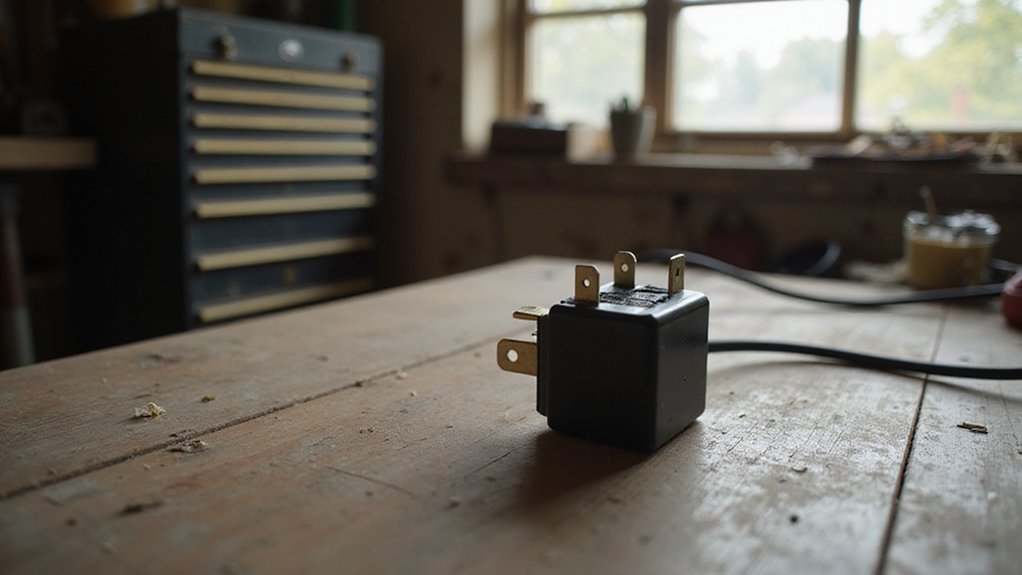
Ever wondered how your horn can sound loudly without risking damage to your car’s wiring? That’s where a horn relay comes in. It acts as a middleman, allowing you to trigger your horn with a small signal, while handling the full power needed to make it loud.
Keep reading to learn how it works and how to test yours.
So What Is a Horn Relay, Anyway?
A horn relay is an electromagnetic switch that controls the high-current circuit for your vehicle’s horn. It works by using a small electrical signal from your horn button to energize a coil inside the relay. When the coil is energized, it creates a magnetic field that pulls an internal switch, closing the circuit and allowing battery power to flow directly to the horn. This setup enables a tiny control current from your horn button to activate a much larger current needed to operate the horn. For example, in a three-pin relay, pressing the horn switch causes current flow from the B terminal to the S terminal, energizing the internal coil and closing the internal switch. Using a reliable switch panel can help organize and protect such relay circuits in a marine or vehicle electrical system. For a clean and reliable installation, it is essential to follow step-by-step instructions for connecting the relay to the battery and horn. For anglers using a kayak, selecting a durable fish finder mount can ensure stable electronics in a similar marine environment.
Using a relay prevents the high current from passing through the steering wheel’s wiring and switch, which are designed for low current. Instead, the relay handles the heavy load, protecting your switch and wiring from damage and wear. Without a relay, the direct connection would cause the switch to overheat and fail quickly due to the high current.
It’s important to distinguish relays from fuses. A fuse acts as a safety device by breaking the circuit if the current is too high, preventing damage. A relay, on the other hand, acts as a switch that opens or closes the circuit based on the control signal. This separation of functions helps ensure your horn operates reliably without risking damage to other electrical components.
Why Your Horn Needs a Relay Instead of Direct Power
Your horn needs a relay because it prevents the full high current from passing directly through your steering wheel button, clockspring, and wiring. Without a relay, these components are forced to handle up to 30–40 amps of current, which can cause overheating, melted insulation, and switch failure over time. Instead, the relay acts as a switch that is triggered by a small control current from your horn button, while handling the heavy current load independently. This setup protects your delicate wiring from damage and reduces voltage drops that can weaken your horn’s sound. Using a relay ensures your horn remains loud and your steering column stays safe from electrical stress. Understanding the role of a relay clarifies why proper pronunciation of pitot is often confused among boaters discussing related marine electrical systems. The relay’s electromagnet coil activates when it receives a control signal from the horn switch or Body Control Module, which then closes an internal switch to power the horns. For a durable installation on the water, you might consider a model built with marine-grade corrosion resistance to withstand harsh saltwater environments. Selecting a marine-grade hour meter can further safeguard your electrical system by tracking engine runtime with the same corrosion-resistant durability.

【IP65 Waterproof】The shell of 5-pin relay harness kit is made of the durable insulation material, the 5 terminals are sealed with strong cap and the rubber ring, making it connected tightly for better waterproof and dustproof so it can work in any harsh environments.
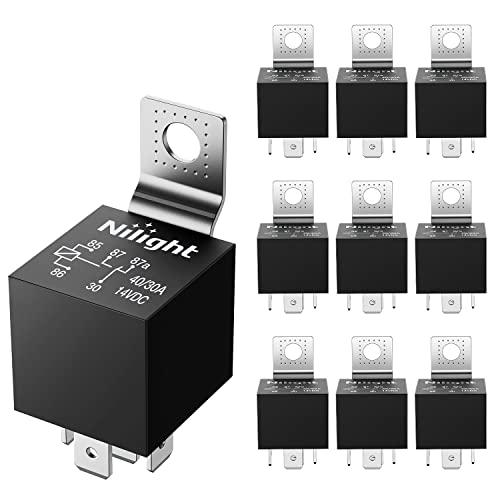
12V 5 Pin SPDT Single Pole Double Throw Electrical Relay.

Direct Replacement: Replaces part number 25630-79960 to restore proper horn function in compatible vehicles.
How the Horn Button Activates the Relay?
Your horn button activates the relay by serving as a low-current control switch. It doesn’t handle the heavy load of the horn itself, only the small current needed to trigger the relay. When you press the button, it completes the relay coil’s ground circuit. Since the battery voltage already sits on one side of the coil (terminal 86), pressing the button links the other side (terminal 85) to chassis ground. This grounding signal travels through the clock spring and steering column wiring before reaching the relay. The relay then switches on, allowing high current from the battery to flow to the horn. The button only carries less than one amp, protecting the delicate contacts in the clock spring and steering column from wear. Essentially, pressing the button whispers a signal to the relay, which then produces the loud horn sound. Just as distinguishing real fish from clutter on a fish finder requires recognizing distinct arch patterns, understanding this low-current trigger path is key to diagnosing horn issues. A primary relay can receive this signal from the factory horn positive wire to switch control between factory and aftermarket air horn modes. For a clean electrical connection, similar to proper wiring methods used for underwater boat lights, the relay’s power and ground terminals should be securely fastened and protected from moisture. Using marine-grade components helps ensure reliable performance in wet environments, much like the durability required for fish finders on boats.
What Goes On Inside the Relay When You Honk?
When you press the horn button, the relay’s internal components activate through electromagnetic principles. The coil inside the relay becomes energized, generating a magnetic field. This magnetic field pulls the armature, a movable metal piece, toward the coil. This mechanical movement causes the normally open contacts to close, connecting the high-current battery power to the horn circuit. As a result, the horn sounds. When you release the button, the coil loses power, the magnetic field collapses, and a return spring pushes the armature back to its original position. The contacts reopen, breaking the circuit and stopping the horn. The relay then resets, ready for the next honk. This small current in the control circuit activates the coil to manage the high-current horn circuit. If the relay fails, you may notice no sound from the horn even when the button is pressed, which is a common sign of a faulty relay. Properly mounting the relay in a dry, vibration-free location ensures the same reliable switching every time you honk. For marine applications, choosing a relay with corrosion-resistant materials helps ensure long-term durability in harsh environments.
How the Horn Relay Protects Your Car’s Electrical System
The horn relay safeguards your car’s electrical system by isolating the high current needed for the horn from the low-current control circuit. This separation means your horn button and steering column wiring only carry a small control signal, while the relay handles the heavy load. By doing so, it prevents excessive current from flowing through delicate switches, reducing wear and possible damage. The relay also manages the switching of high-amperage circuits, which minimizes overheating risks in your dashboard and steering column wiring. It works alongside a fuse that handles overload protection; the relay handles normal operation, sharing the current load efficiently. This setup lessens stress on tiny contacts inside switches, decreasing the fire risk and ensuring a stable power supply to your horn. As a result, your switches last longer and your wiring remains insulated from heat damage. Similarly, rugged RAM mounts designed for fish finders use sturdy materials to isolate the sensitive electronics from vibration and shock, ensuring stable performance without damaging delicate components. For example, a night vision camera on a boat also relies on a dedicated power circuit to protect its sensitive electronics from voltage spikes and current surges. For small boats, a top depth finder similarly uses a dedicated relay to protect its sensitive sonar electronics from power surges.
5 Symptoms of a Failing Horn Relay
A failing horn relay can be identified by five key symptoms. First, if your horn suddenly stops producing sound when you press the button, it likely indicates that the relay is not passing power, making the horn appear silent and mimicking a blown fuse or wiring issue. Second, intermittent operation—where the horn works sporadically—suggests weakening internal contacts that are deteriorating over time. Third, if you hear a clicking sound under the hood without any horn sound, it means the relay is activating but failing to transfer power properly. Fourth, a horn that remains stuck on after releasing the button indicates that the relay contacts are stuck closed, causing continuous electrical contact and draining your battery. Lastly, weak, distorted horn sounds or a burnt smell near the relay box point to internal overheating or damage. Recognizing these signs early allows you to replace the relay before further electrical issues develop. When troubleshooting electrical faults, using a device with high-quality chartplotter functionality can help you trace circuits and locate problems more efficiently. Upgrading to a more reliable unit with clear sonar imaging can help you troubleshoot wiring and power delivery more effectively, just as anglers use advanced displays to pinpoint faults in their boat electronics. For marine applications, reviewing a list of top speedometer picks can help you select durable components suited for harsh environments.

✔ High-Quality Construction – Made from premium materials for durability, corrosion resistance, and long service life.

Vehicle Fitment-1: for Toyota Camry 1997-2005, for Corolla 1998-2008, for RAV4 1997-2004, for Tacoma 1997-2004, for Tundra 2000-2006, for 4Runner 1996-2002, for Sienna 1998-2010, for Sequoia 2001-2005, for Avalon 1998-2004, for Matrix 2003-2008, for Solara 1999-2003, for Celica 2000-2003, for Land Cruiser 1998-2003, for Prius 2001-2003, for Echo 2000-2003, for MR2 Spyder 2000-2003; for Scion xA 2004-2006

High-Quality Construction: This 4 pins relay is made from high-quality materials to ensure durability and reliability, so you can trust it to perform in even the most demanding automotive applications.
How to Test a Bad Horn Relay?
To test a bad horn relay, start by swapping it with another relay of the same size and wiring. If the horn works with the replacement relay, your original relay is likely defective. For a more detailed check, remove the relay and use a multimeter to test it. First, measure the resistance across terminals 85 and 86; a healthy coil should show a finite resistance—neither open nor short. Next, perform a contact continuity test: before applying power, verify that the normally closed (NC) path has continuity and that the normally open (NO) path does not. Then, energize the relay by connecting the coil terminals to 12V with jumper wires. When energized, you should hear a click, and the continuity should switch to the NO terminal. Use a multimeter to verify the voltage stability from the power supply before testing, as a stable source ensures accurate results. If the relay does not click or the continuity does not change as expected, the relay is faulty. Note that this testing method mirrors the principles used for marine thru-hull transducers, where reliable electrical connections and consistent power are critical for accurate readings. For a kayak setup, a secure mounting base is equally important to prevent vibration or disconnection while on the water.

Integrated Diode: Each relay includes a built-in diode that suppresses induced voltage during switching, safeguarding your electrical components from potential damage.

Interchangeable/Compatible with all automobiles and devices equipped with 12V DC power source

Interchangeable/Compatible with all automobiles and devices equipped with 12 V DC power source,High 80A coil capacity- able to handle those high current applications with ease.
Where to Find Your Car’s Horn Relay?
Your car’s horn relay is most often located inside the under-hood fuse and relay box—usually a black plastic enclosure near the battery or along the driver-side fender. Open the lid; the underside typically features a diagram that indicates relay positions, including the horn symbol for easy identification. If you don’t find it there, check the interior fuse panel under the dash or in the kick panels, as many models hide it in the driver’s footwell.
Don’t guess the location—consult your owner’s manual for the exact placement specific to your make and model. Variations in battery types and wiring diagrams mean relay locations can differ greatly, even among similar vehicles. For example, Ford frequently uses the under-hood fuse box, while some trucks incorporate a central junction module instead. Match the relay’s shape to the diagram, and you’ll find the horn relay in seconds. Once you access the relay, testing it with a 12V power source to listen for a click can confirm whether it is functioning correctly.
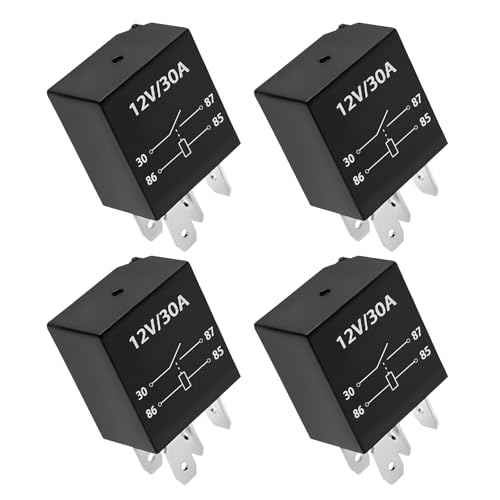
【Practical Function】: There are 4 pin and 5 pin relays to choose from. You can also choose a 2-pack or 4-pack. These 12V 30A relays can be used to control the circuits of high-current load components on vehicles, allowing the components to function properly.
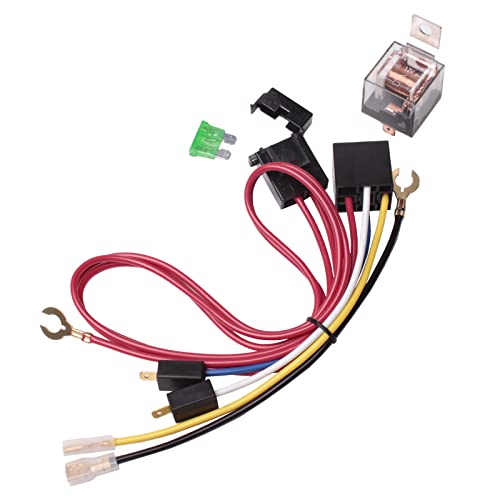
Interchangeable/Compatible with all automobiles and devices equipped with 12Volt DC power source

The shell of the converter is made of transparent waterproof material,it is used to connect the car high-power amplifier or subwoofer signal input.