Ever wondered how ships keep their direction steady even when the seas get rough? A binnacle compass is a key tool that helps sailors navigate reliably without relying on power or electronics.
It’s a sturdy, magnetic device carefully protected from interference, ensuring safe steering whether digital systems fail or just for backup.
Keep reading to see how this classic instrument still boats on modern ships.
What Exactly Is a Binnacle Compass?
A binnacle compass is a complete navigation device that includes a magnetic compass housed within a protective, non-magnetic stand called a binnacle. This assembly ensures accuracy by minimizing magnetic deviation caused by the ship’s metal structure. The best designs include a built-in lighting system to ensure visibility in low-light conditions, a feature highlighted in many reviews of top marine compasses. Traditionally, craftsmen constructed binnacles from materials like wood and brass, which are non-ferrous and shield the compass from weather, impacts, and magnetic interference. The compass itself is mounted on a gimbal system, which keeps it level despite the ship’s movements, providing a steady and easy-to-read card. Built-in lighting allows for nighttime readings, and corrector magnets fine-tune the compass’s accuracy. For kayak anglers, similar precision matters when selecting best fish finders for kayak fishing. Overall, this design offers a durable, reliable navigation aid, protecting the compass from spray and physical damage while maintaining precise heading information. When choosing navigation or sonar gear, boaters should also consider the value of top fish finders for maintaining situational awareness while on the water.
Where Is a Binnacle Compass Mounted on a Ship?
A binnacle compass is mounted directly in front of the helmsman, typically near the ship’s wheel or steering station on the deck or bridge. It is positioned on the vessel’s fore-and-aft centerline to align with the bow-stern axis, which ensures more accurate steering. This placement helps minimize magnetic deviation caused by the ship’s structure, maintaining the compass’s reliability. The traditional location allows the helmsman to see and read the compass without changing posture, making it easier to keep a steady course. Usually, the compass sits on a waist-high stand on the deck, often on the bridge or upper bridge. In rough seas, this mounting location keeps the compass accessible for continuous course monitoring. It may also be placed on the ship’s poop deck or quarterdeck, depending on the vessel’s layout, always chosen for visibility, readability, and practical navigation. For anglers seeking precise positioning while fishing, a fish finder for beginners can also be mounted near the helm to complement the compass with underwater sonar data. Proper navigation also requires displaying navigation lights during periods of restricted visibility to ensure other vessels see the ship. The switch panel should be mounted near the helm for easy access, similar to how a boat switch panel is positioned for quick control.
How Does the Binnacle Block Your Compass From Magnetic Interference?
The binnacle blocks your compass from magnetic interference by using non-magnetic materials and built-in correction tools. It employs magnetic shielding techniques—such as a brass housing that won’t distort the needle—and includes permanent magnets that cancel out the ship’s permanent magnetism. Soft iron spheres and a Flinders bar reduce induced magnetism from the hull, minimizing quadrantal error on intercardinal headings. For boat owners seeking alternative lighting solutions, reviewing top stern lights can help ensure proper visibility during night operations. A blocked pitot tube can similarly cause compass errors by giving false speed data that leads to incorrect steering adjustments. For anglers, using a fish finder for catfish can help locate underwater structures that may also affect the vessel’s magnetic signature.
Prevention of magnetic interference also depends on careful handling. Keep ferrous items like tools and watches away from the binnacle. Proper placement at a safe distance from radar, electrical systems, and other sources of magnetic fields is essential. You don’t need to eliminate all magnetic influences, just balance them so your compass reads accurately on every heading. During a swing, adjust the correctors to fine-tune the compass, reducing residual errors effectively.
Why You Still Want a Binnacle Compass for Reliable Course Keeping
A binnacle compass remains an essential tool for reliable course keeping, even with GPS and electronic chart plotters onboard. Its quick, glanceable display allows you to verify your heading without leaving the helm, enabling you to make swift adjustments. The gimbaled mount keeps the compass card stable as your vessel pitches and rolls, providing consistent readings in rough conditions—no electronic lag, just straightforward magnetic truth. Unlike sonar screens that interpret fish arches and clutter, this compass offers a direct mechanical reading that never needs calibration for false returns. Understanding how to adjust sensitivity and clutter settings can help you interpret traditional sonar displays accurately. For example, knowing the stern light color regulations helps ensure your vessel is fully compliant when running at night.
Beyond practicality, the binnacle compass holds a rich historical significance as a primary steering aid used for centuries. Its brass or wooden housing adds a timeless aesthetic that modern plastic displays cannot match. It offers dependable navigation support, protection from weather elements, and serves as a straightforward visual reference to cross-check your electronic systems without draining batteries. For many sailors, it remains a trusted and indispensable piece of their navigational toolkit.
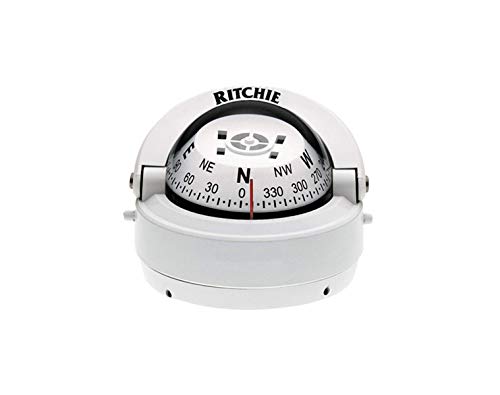
Included Components: Compass Owner's Documentation

VERSATILE USE: This marine boat compass is ideal for marine and land vehicles, making it perfect for boats, trucks, caravans and more.

2-3/4" Direct-Read dial
When Electronics Fail: The Binnacle Compass as a Power-Free Backup
This compass provides a reliable manual navigation tool when electronic systems fail. It allows you to maintain a steady course for emergency steering, keep your heading while troubleshooting, or plot a new route on paper charts. The compass also helps you manage drift and generate accurate distress signals. Keep in mind that magnetic deviation can affect readings, so cross-check against your deviation table whenever possible. Regular inspection is crucial—this power-free backup must be ready to use instantly when your electronics are out of commission. For anglers who rely on electronic fish finders, having a backup compass is as essential as choosing between Garmin Striker 4 models for uninterrupted navigation on the ice. A fish finder uses sonar technology to locate underwater structures and fish, making it a valuable but power-dependent tool. When selecting a backup, consider the best compass for kayak options that prioritize durability and clear readability in rough conditions.

【Easy to Handle & Read】- With its liquid-filled compass, this compass delivers reliable and accurate readings. The luminous dial enhances visibility in low-light conditions, while the adjustable luminous marching line allows for easy navigation. The thumb hold and magnifying viewer further contribute to a fast and easy read, ensuring convenience during your outdoor explorations.

High-Precision – Sportneer compass is engineered for superior accuracy, featuring a rear sight lens that magnifies the dial for precise and effortless readings. For optimal performance, keep the compass level to ensure the magnetic needle rotates freely and points accurately to magnetic north.
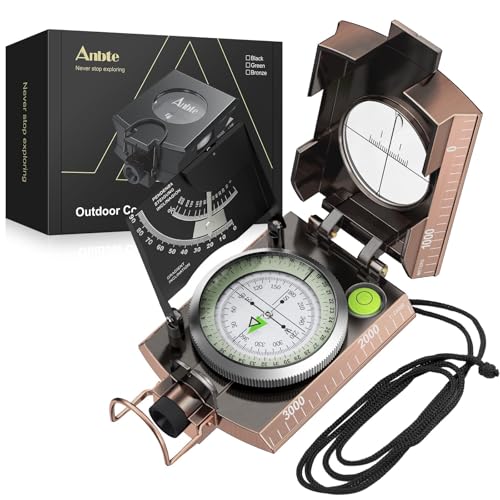
Military Compass with Inclinometer and Graduated Scale: Anbte professional compass is made of high quality zinc alloy metal body, military construction, waterproof and shockproof. Can be used in extreme weather. Built-in inclinometer and side with scale, can measure the slope and height
Are Binnacle Compasses Still Used on Modern Ships?
Yes, binnacle compasses are still used on modern ships. You’ll find them mounted away from the helm, serving as a reliable backup navigation tool. Although electronic systems like GPS and gyrocompasses dominate, the traditional compass remains an essential safety feature, especially when electronic navigation fails. Its design protects it from weather, ship movement, and magnetic interference, ensuring steady, accurate readings under adverse conditions. Similar to an oil pressure gauge, this instrument provides critical operational data that remains reliable even when powered systems fail. For those considering reliable alternatives, a humminbird helix 5 with gps offers similar dependable positioning data in a compact electronic form. Their role as a non-powered, dependable instrument makes them valuable for emergency situations. For added safety, many vessels also install best marine radios with remote to ensure reliable communication when electronic systems are compromised. While they no longer serve as the primary navigation device, they retain symbolic significance and practical utility across commercial, naval, and training vessels. Binnacle compasses blend maritime tradition with modern safety standards—an enduring link to the heritage of navigation.

Package length: 19.812 cm

2-3/4" Direct-Read dial

🔹COMPACT AND POPULAR: This surface mount compass is easily mounted on a flat surface so no hole is required. It is well damped to cope with the greater range of movement in a RIB or dinghy and features a spherical card that is easy to read when standing up or sitting down.